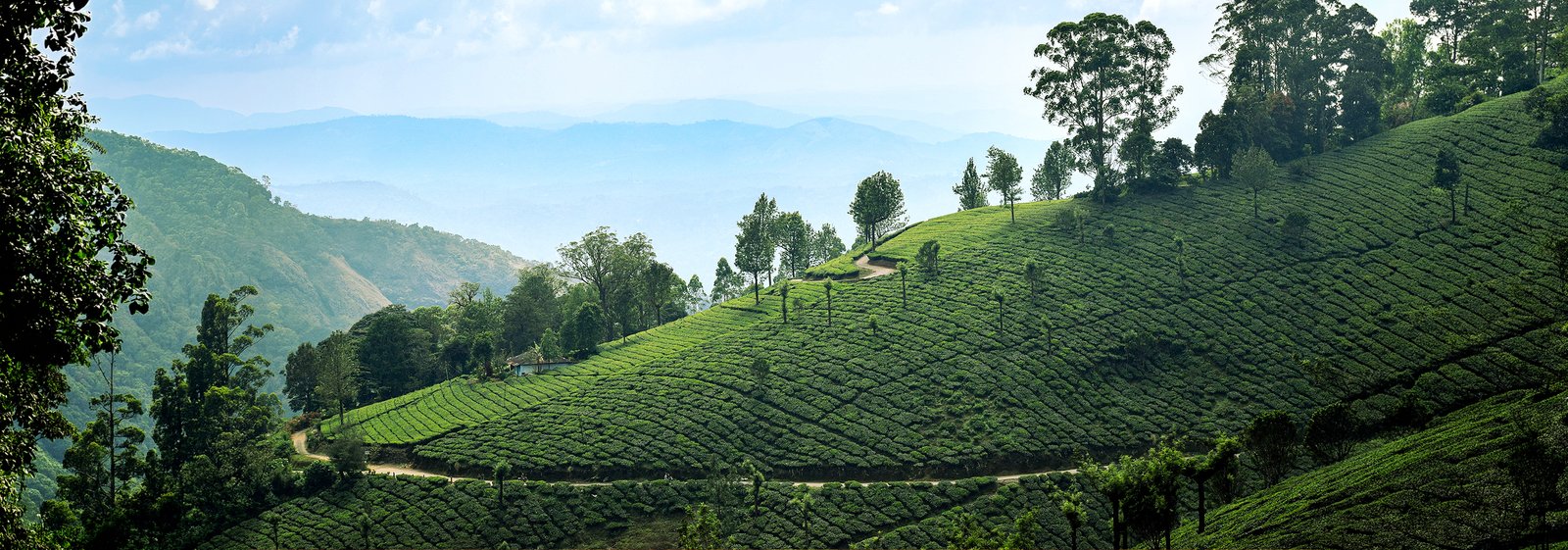
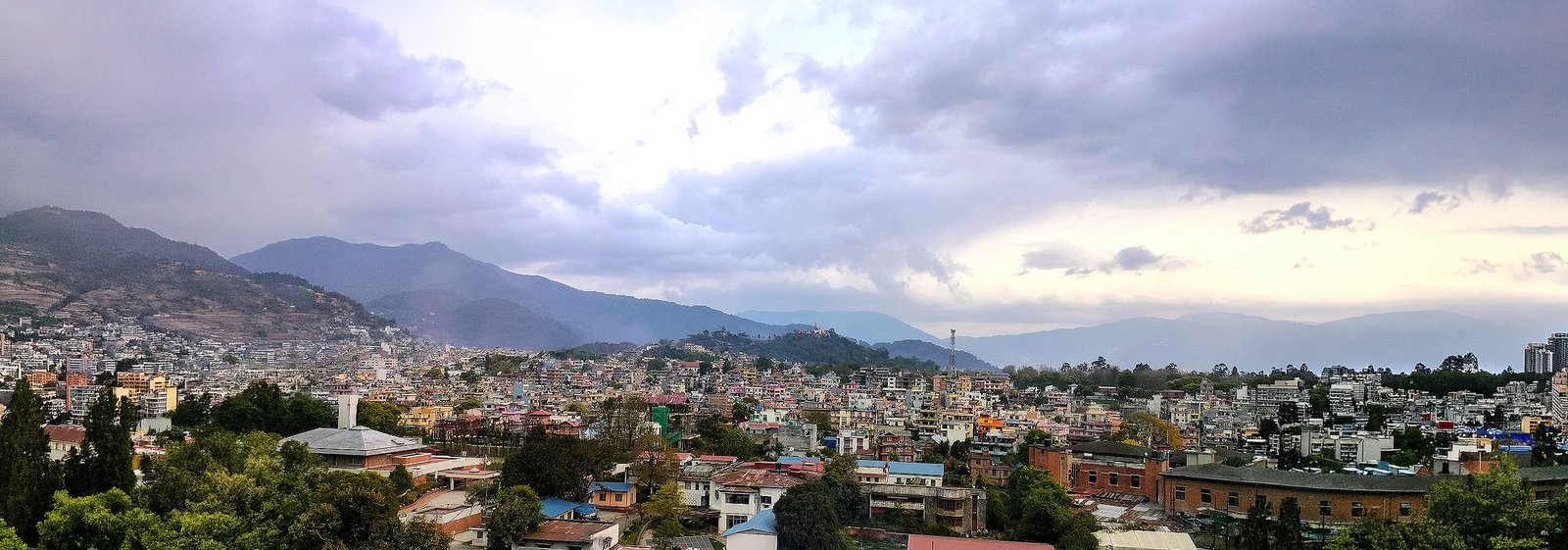
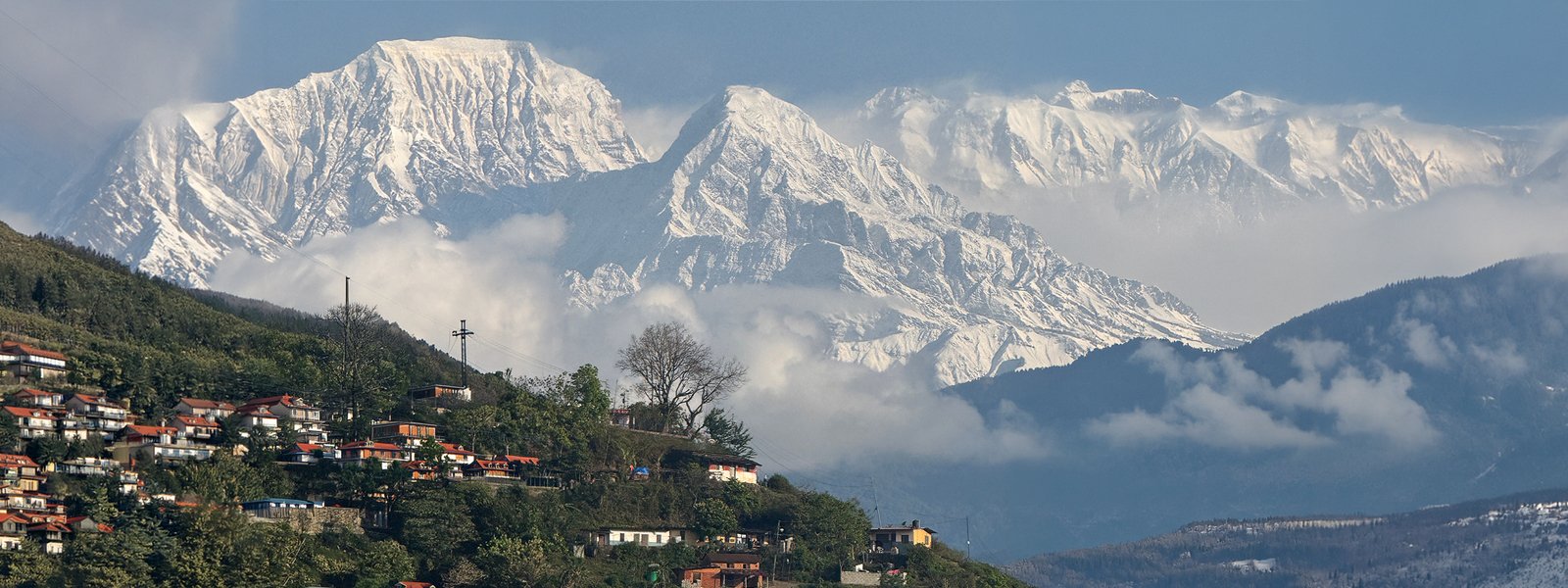
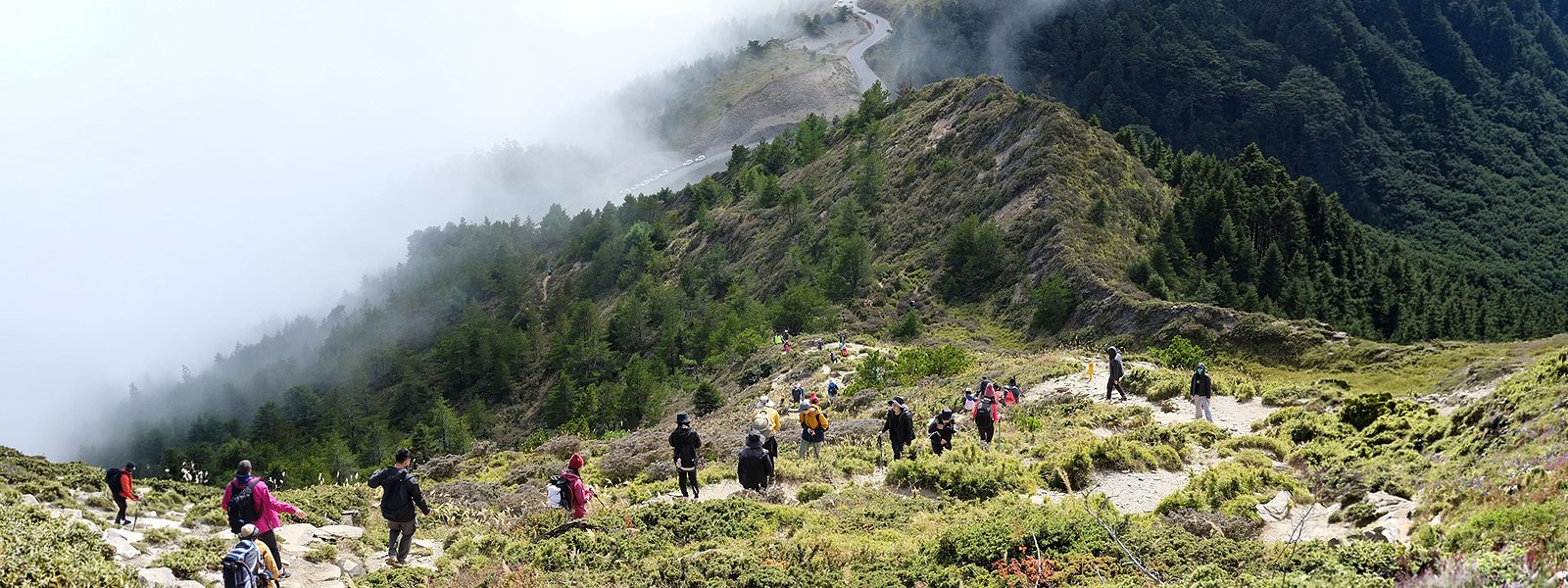
Nepal is a wonderful destination for travellers seeking a mix of Himalayan scenery, ancient culture, spirituality, adventure and warm hospitality. A little preparation can make your journey much smoother.
Before You Travel
-
Visa: Most foreign visitors can obtain a tourist visa on arrival at Tribhuvan International Airport in Kathmandu, subject to current entry requirements.
- Passport: Ensure your passport has sufficient validity and blank pages.
- Travel insurance: Strongly recommended, particularly if you plan trekking, rafting or other adventure activities.
- Cash: Carry some Nepalese rupees, especially when travelling outside Kathmandu and Pokhara.
Best Time to Visit
- October–November: Clear skies, pleasant temperatures and excellent Himalayan views.
- March–May: Spring brings comfortable weather and colourful rhododendrons.
- December–February: Good for Kathmandu, Pokhara and cultural sightseeing, but mountain areas can be very cold.
- June–September: Monsoon season brings rain and cloudy mountain views, although some regions remain suitable for travel.
What to Pack
- Comfortable walking shoes
- Light, breathable clothing for lower elevations
- Warm layers for mountain destinations
- Waterproof jacket during the monsoon
- Sun hat, sunglasses and sunscreen
- Personal medicines and basic toiletries
- A reusable water bottle
Trekking Tips
If trekking in the Himalayas:
- Walk at a comfortable pace and allow time for acclimatisation at higher elevations.
- Stay hydrated and avoid overexertion.
- Use a reputable trekking company or licensed guide where appropriate.
- Check current permit and route requirements before departure.
- Weather can change quickly in the mountains, so always carry warm and waterproof layers.
Respect Local Culture
- Dress modestly when visiting temples and monasteries.
- Remove shoes before entering many religious sites.
- Ask permission before photographing people, particularly monks and local residents.
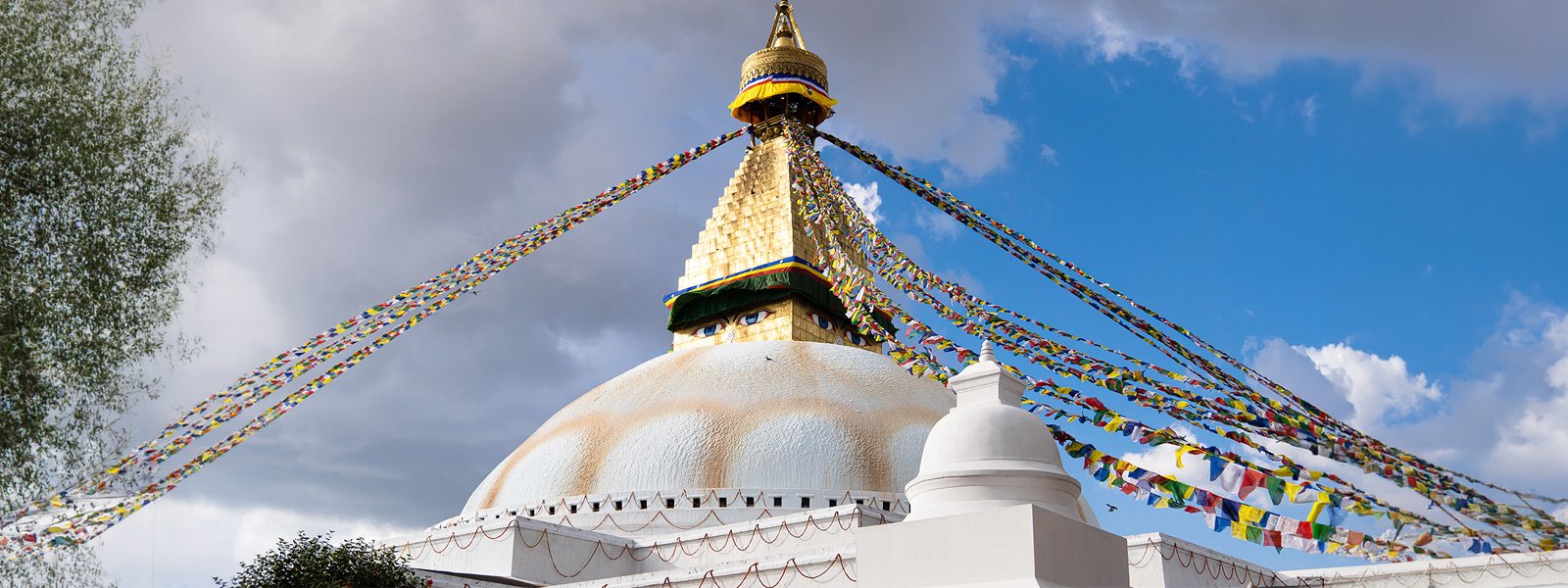
- Walk around Buddhist stupas and monuments clockwise.
- Avoid touching religious objects or statues without permission.
- A friendly “Namaste” is a wonderful way to greet people.
Getting Around
- Kathmandu: Private transport or taxis are useful for sightseeing
- Pokhara: Private cars and walking are convenient.
- Between cities: Private vehicles and flights.
- Mountain roads can be winding and journeys may take considerably longer than the distance suggests.
Food & Water
- Drink bottled, filtered or properly treated water.
- Try local specialities such as momos, dal bhat, thukpa and Newari cuisine.
- Eat at busy, well-established restaurants when travelling in remote areas.
- If you have a sensitive stomach, introduce spicy foods gradually.
Money & Tipping
- Nepalese Rupee (NPR) is the local currency.
- Cards are widely accepted in major hotels and tourist establishments but less so in remote areas.
- Keep small denominations for taxis, local shops, cafés and tips.
- Tipping is appreciated for guides, drivers, porters and hotel staff when service has been good.
Photography
Nepal offers exceptional opportunities for photography—from Kathmandu’s heritage squares and Pokhara’s lakeside scenery to Himalayan mountain landscapes. At religious sites, however, always follow local photography rules.
A Few Things to Remember
Travel slowly, respect local customs, allow extra time for road journeys, stay flexible with mountain weather and embrace the local way of life. Nepal is best experienced not simply as a sightseeing destination, but as a journey through its people, traditions and spectacular landscapes.