
Packing for a journey is about more than deciding what to put in your suitcase. The right things can make your journey more comfortable, while thoughtful packing gives you the freedom to move easily between cities, mountains, temples, markets, and remote destinations.
Whether you’re exploring India, trekking through Nepal, discovering Bhutan’s mountain valleys, or relaxing along Sri Lanka’s coast, your packing list should reflect the places you visit, the season you travel, and the experiences you have planned.
Every journey has different requirements. A cultural journey through Rajasthan will call for different clothing and footwear than a Himalayan trek, while a beach stay in Sri Lanka will have different needs again.
Before packing, look through your itinerary and consider the climate, altitude, activities, transportation, and cultural sites you will encounter. This simple step can help you avoid carrying things you don’t need.
Weather can vary considerably between regions, particularly when your journey covers different elevations. Even during warmer months, mountain destinations can be cool in the mornings and evenings.
Check the expected conditions for each destination before you leave and pack accordingly. Lightweight layers are often more useful than carrying one heavy item.
Your passport, visa or permits, travel insurance, tickets, accommodation details, and other important documents should be easy to access when needed.
Keep digital copies of important documents on your phone or secure cloud storage, while carrying the originals safely during your journey. It is also useful to keep emergency contact details readily available.
Comfort should come first when selecting everyday clothing. Choose lightweight, breathable, and versatile pieces that can be mixed and matched throughout your journey.
For longer journeys, packing clothes that can be worn in different combinations can significantly reduce the amount you need to carry.
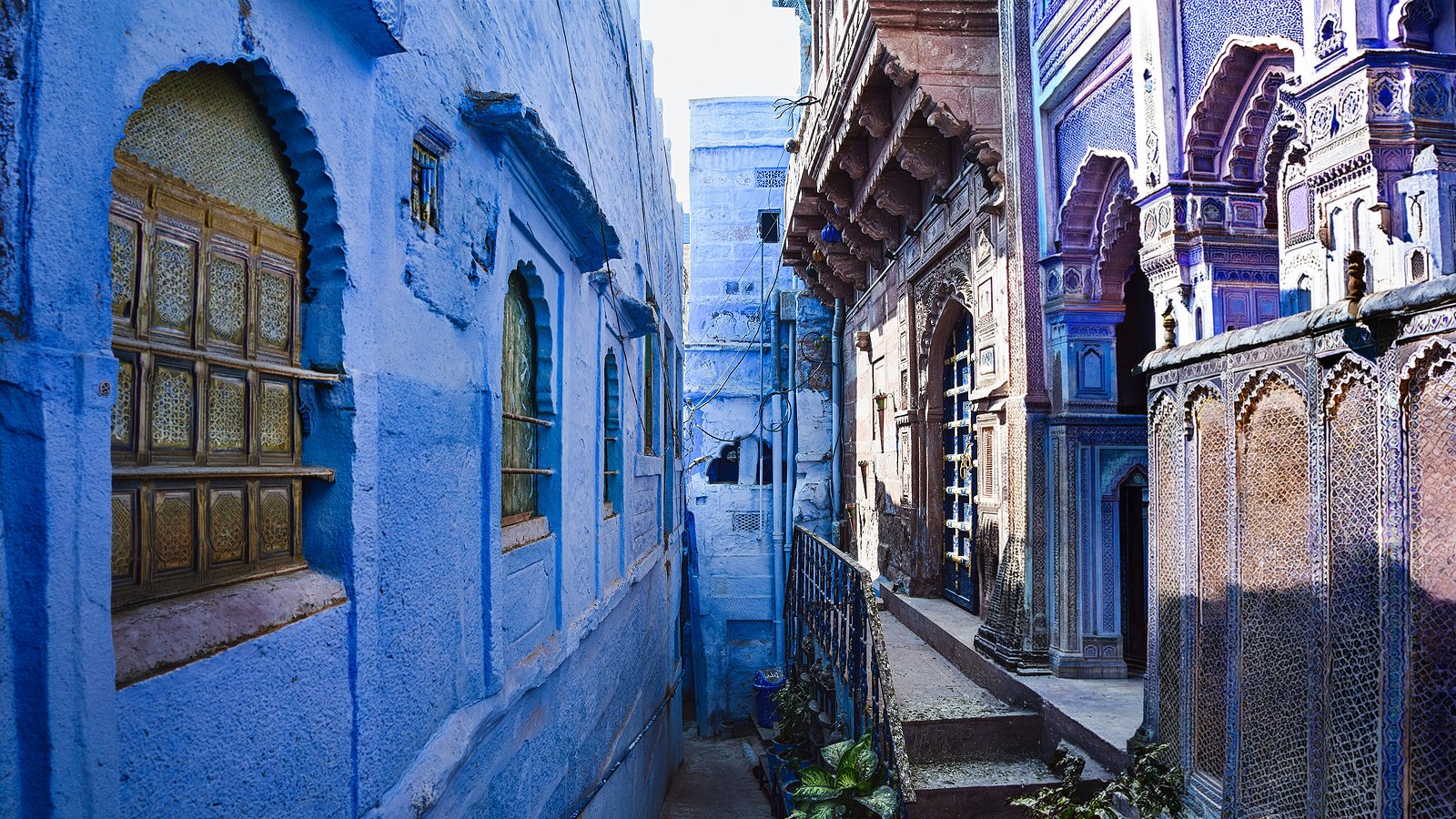
You’ll often spend more time walking than you expect while exploring historic cities, markets, temples, villages, and natural landscapes.
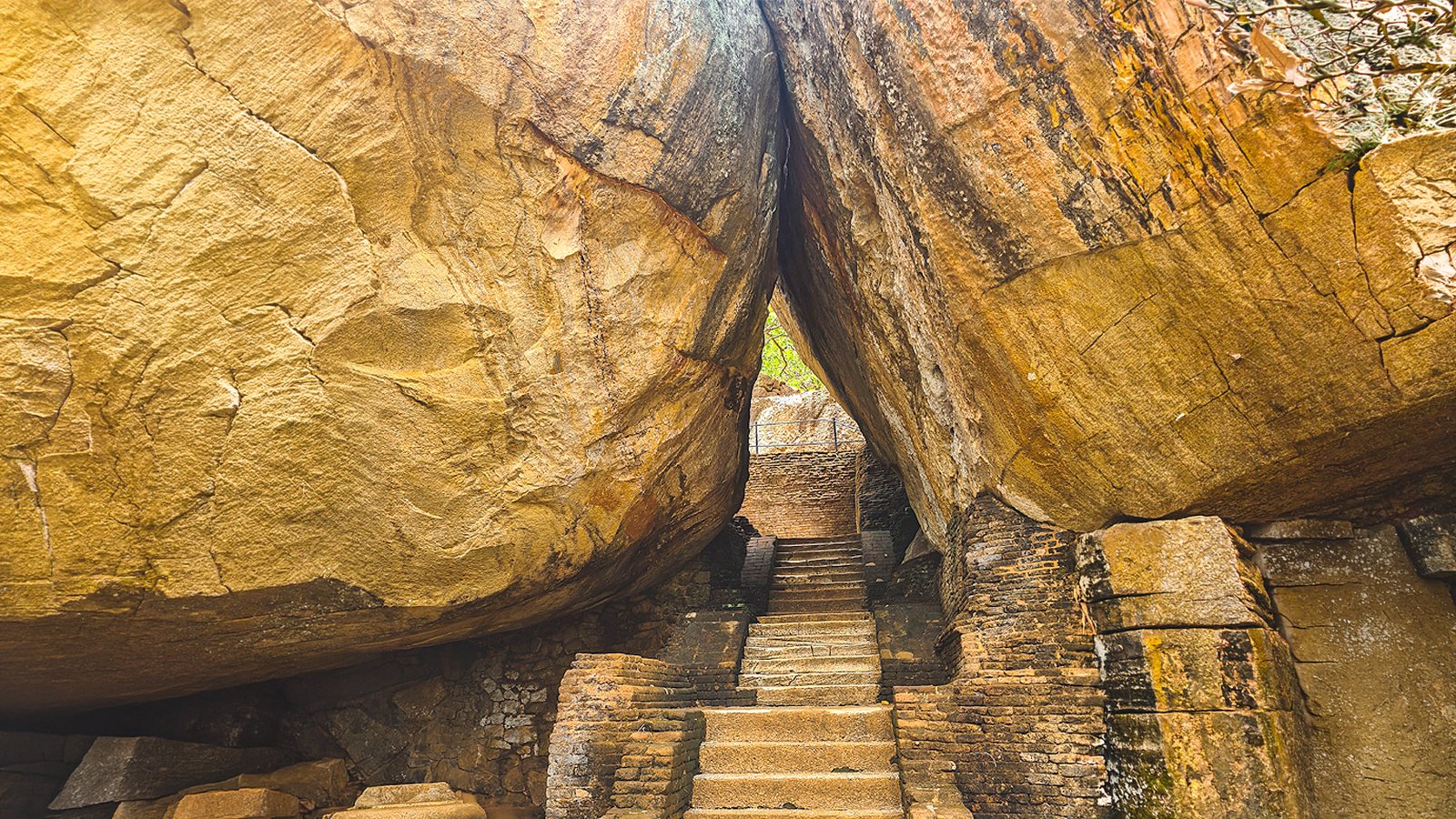
Choose comfortable, supportive footwear that is suitable for sightseeing, uneven paths, and any walks or hikes included in your itinerary.
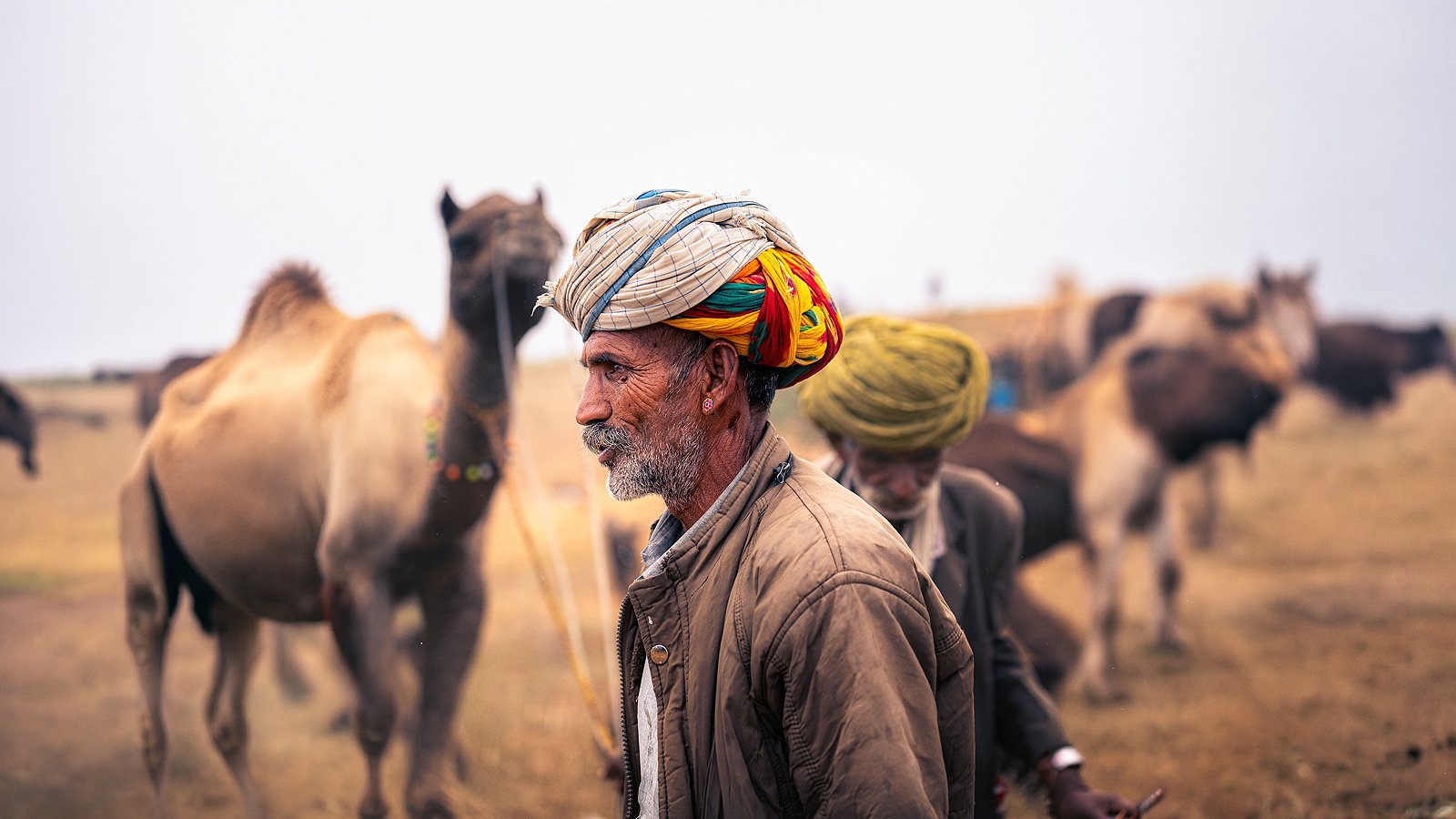
India’s climate varies significantly from region to region. Warm-weather destinations generally call for lightweight, breathable clothing, while northern and Himalayan regions can require warmer layers depending on the season.
If your journey combines several regions, layering is often the easiest way to stay comfortable as temperatures change.
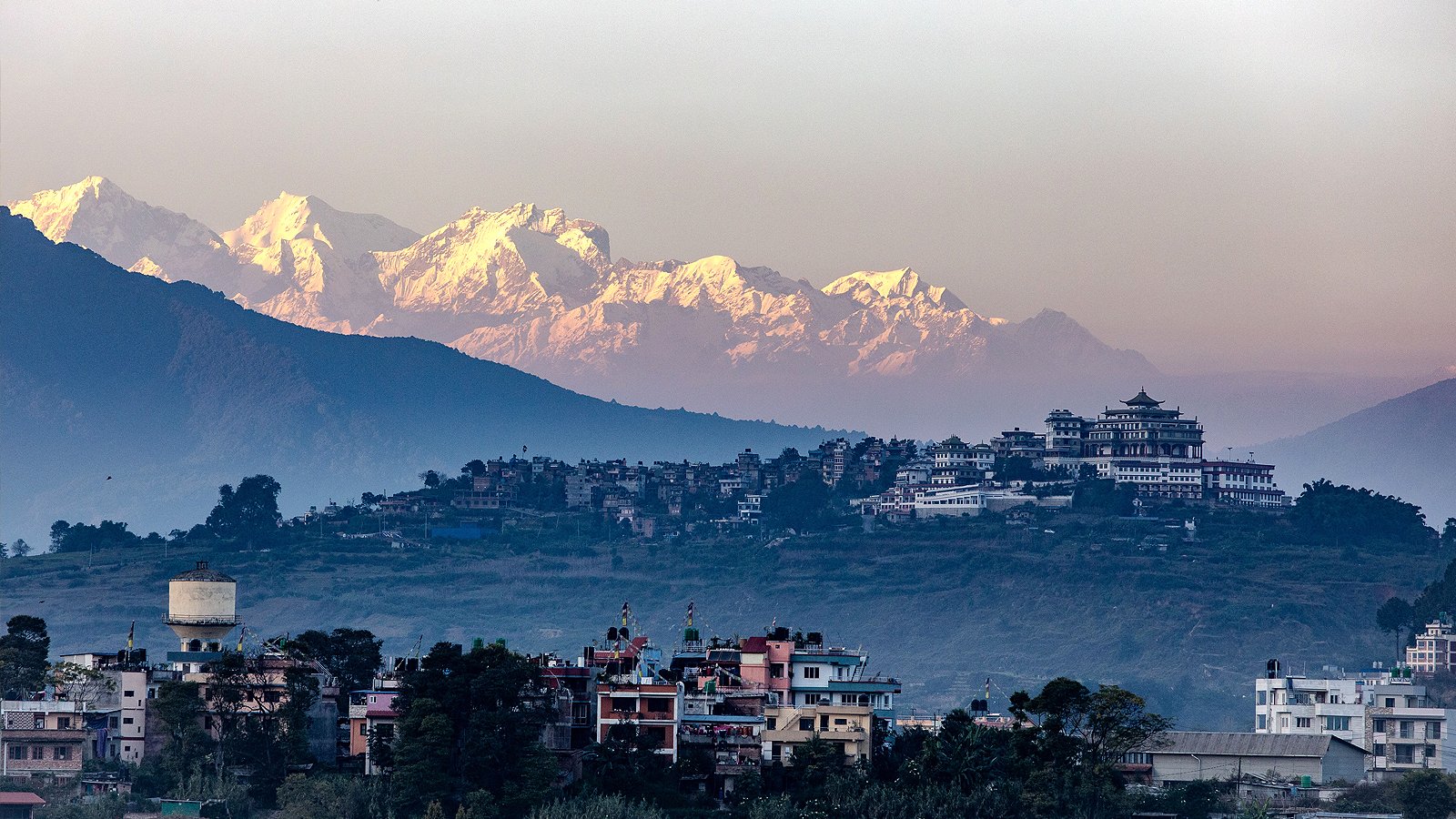
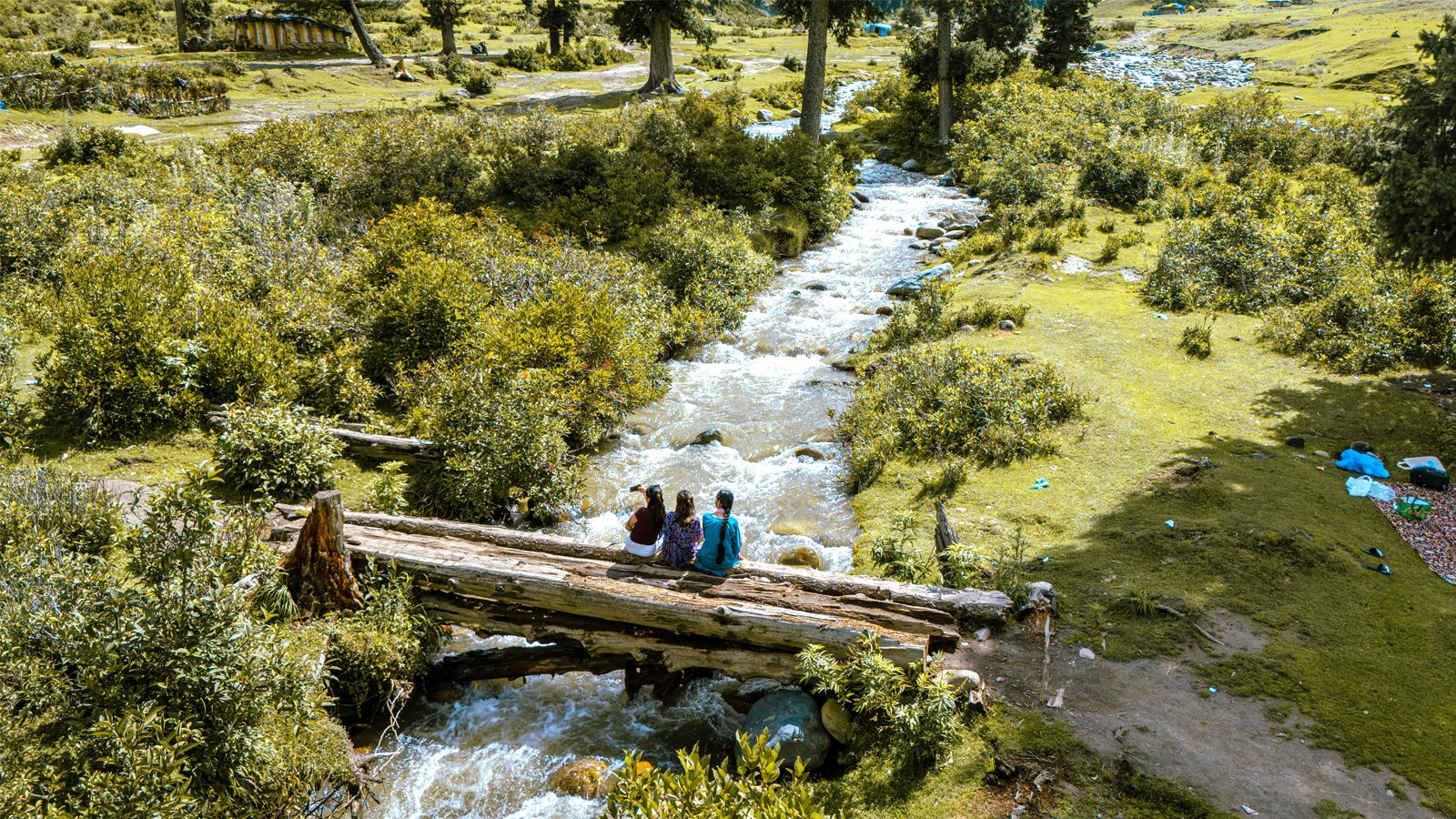
Mountain journeys require a little more preparation. Temperatures can change quickly with altitude, and mornings and evenings may be considerably cooler than the daytime.
Pack versatile layers, comfortable walking shoes, and suitable warm clothing. If your itinerary includes trekking, check the specific requirements for your route before departure.
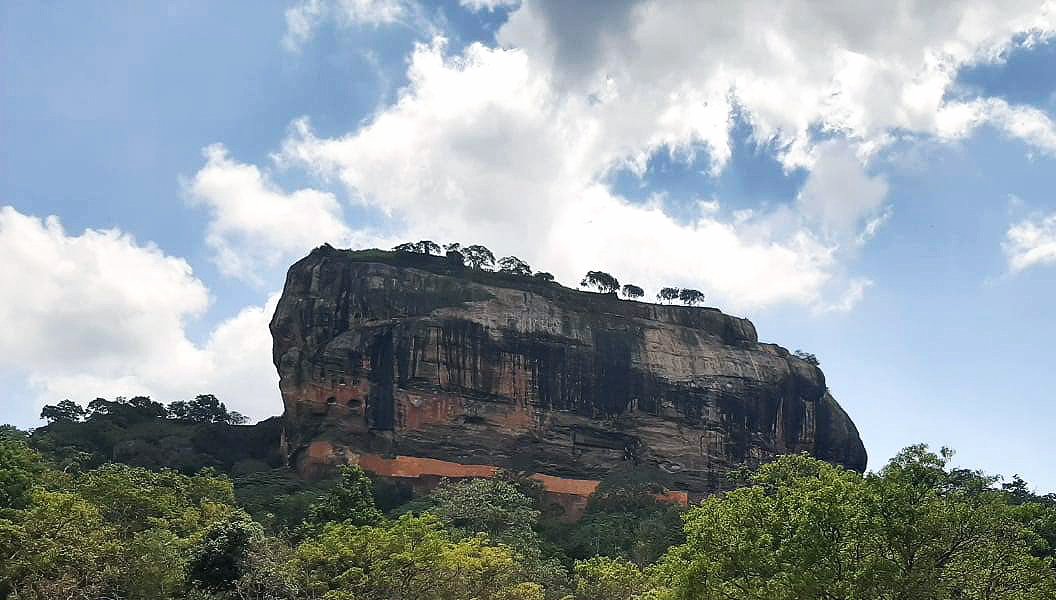
Sri Lanka is generally suited to lightweight, breathable clothing, particularly in its warmer coastal and lowland regions. If your journey includes the central highlands, however, a light jacket or additional layer can be useful. Comfortable footwear is also important for visiting temples, exploring heritage sites, walking through towns, and enjoying nature experiences.
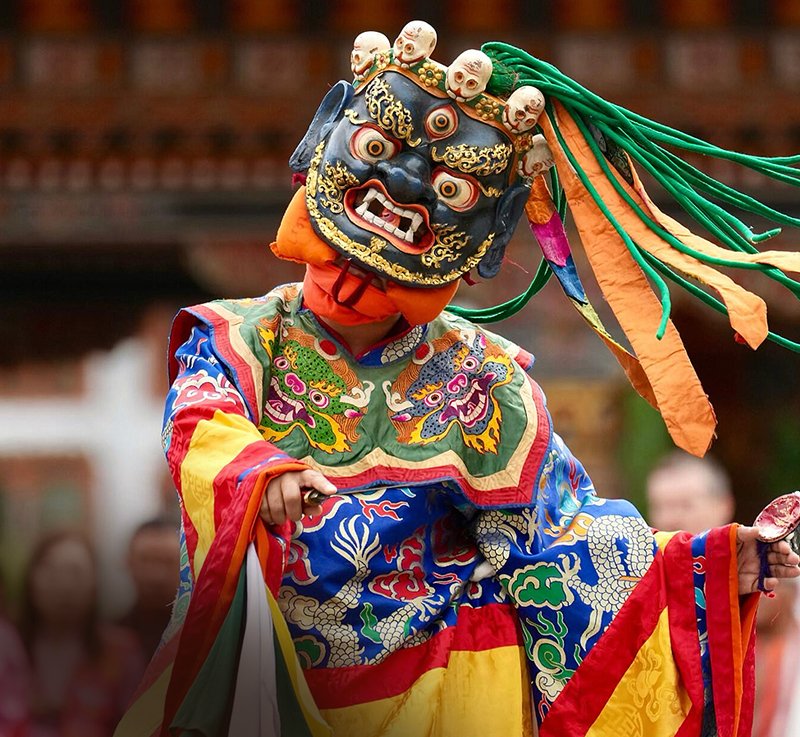
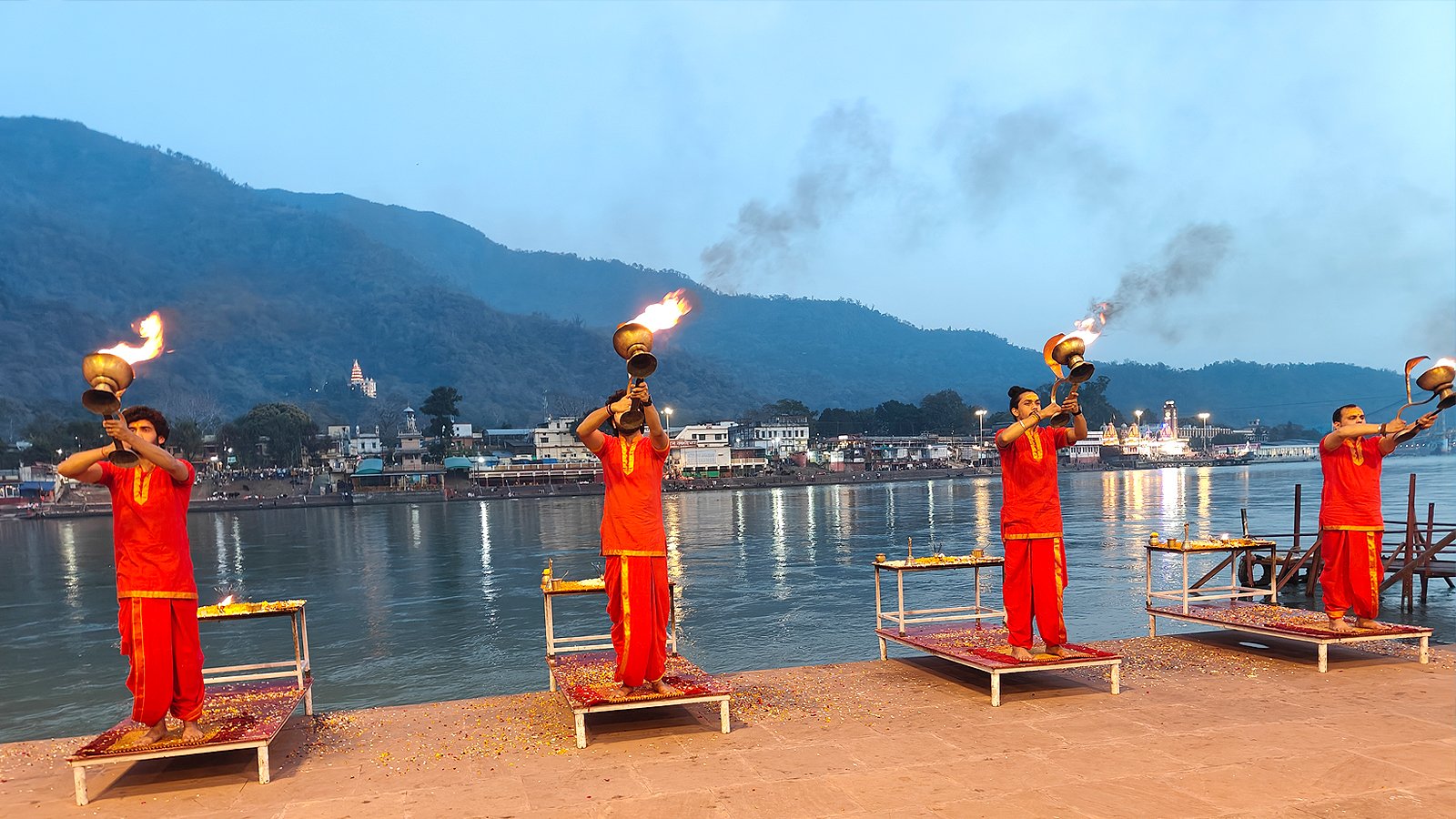
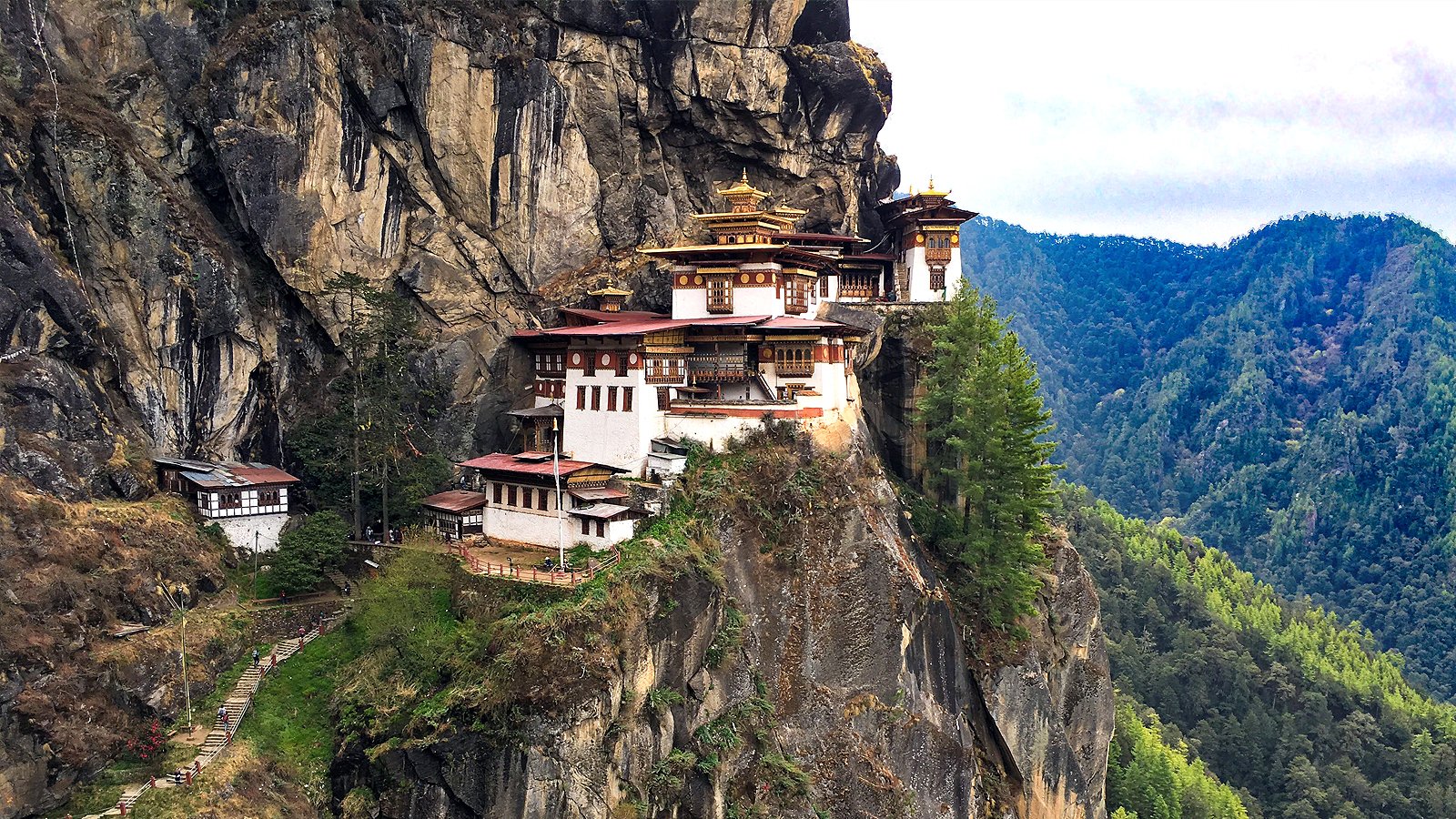
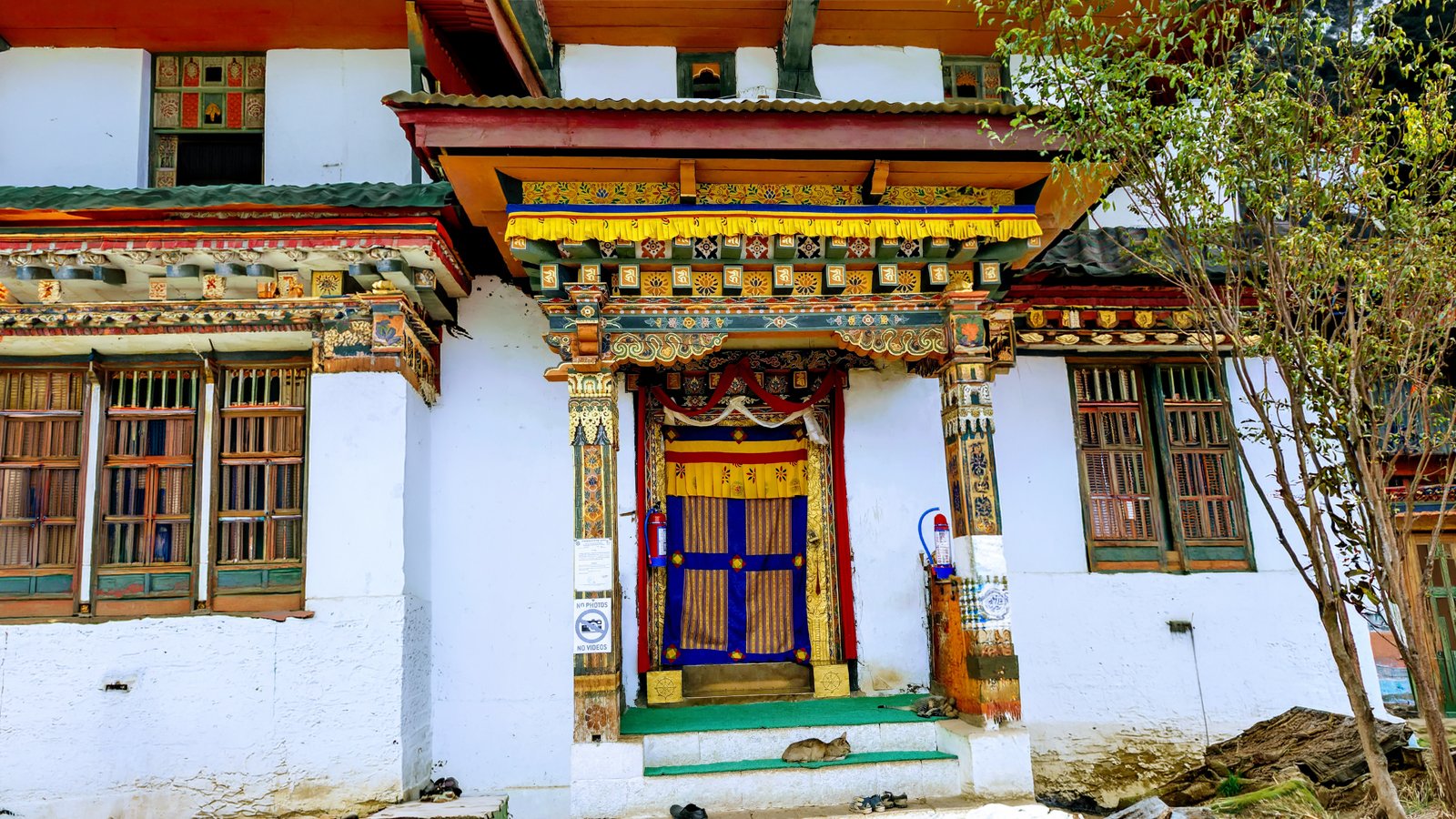
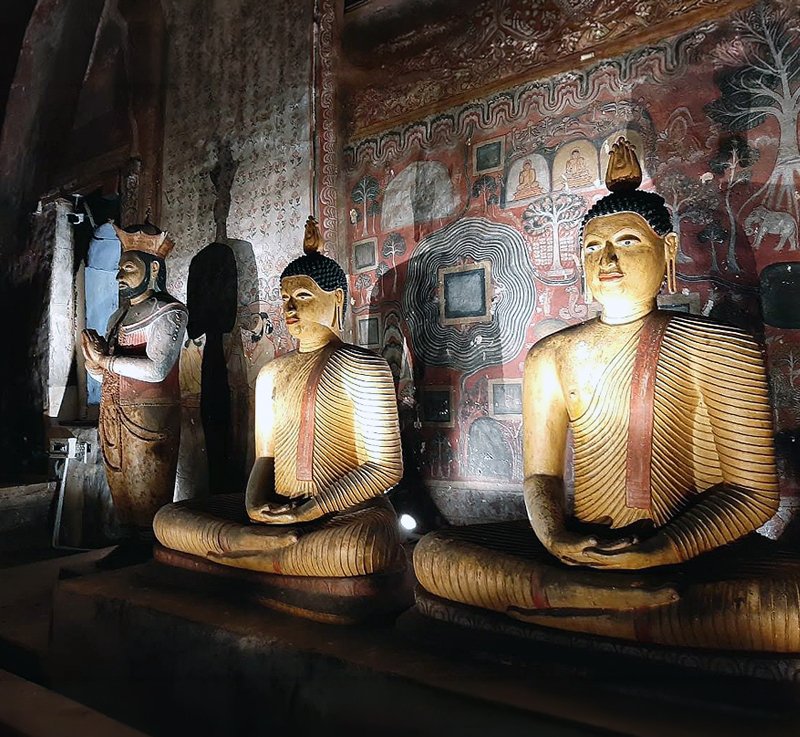
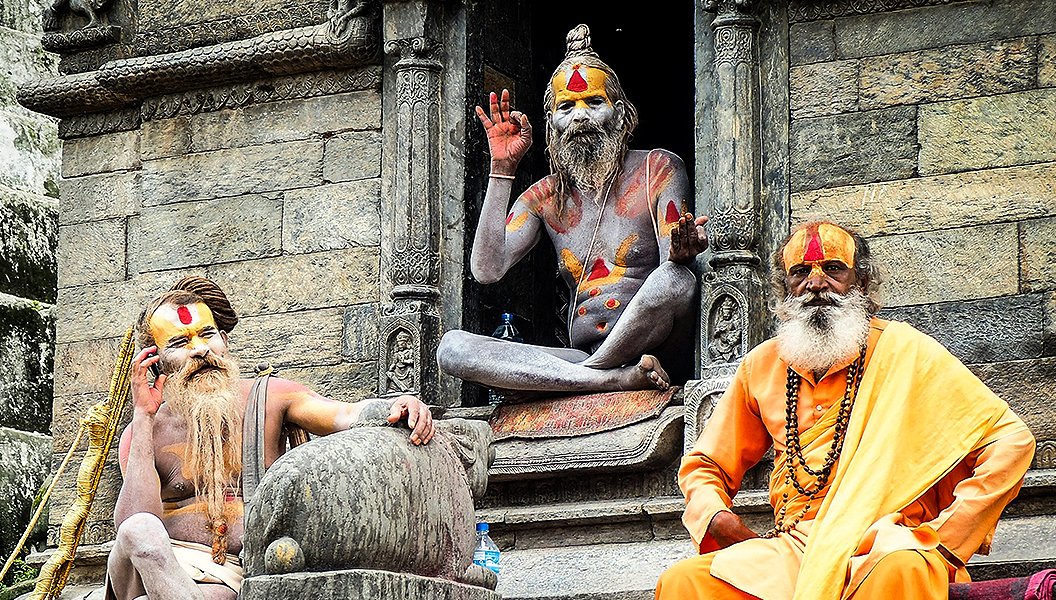
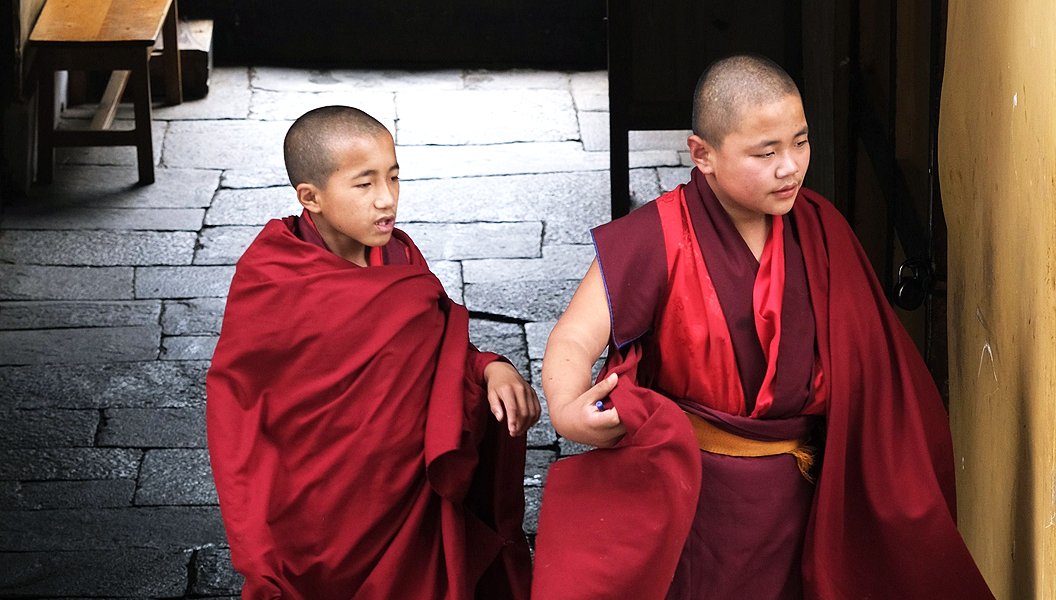
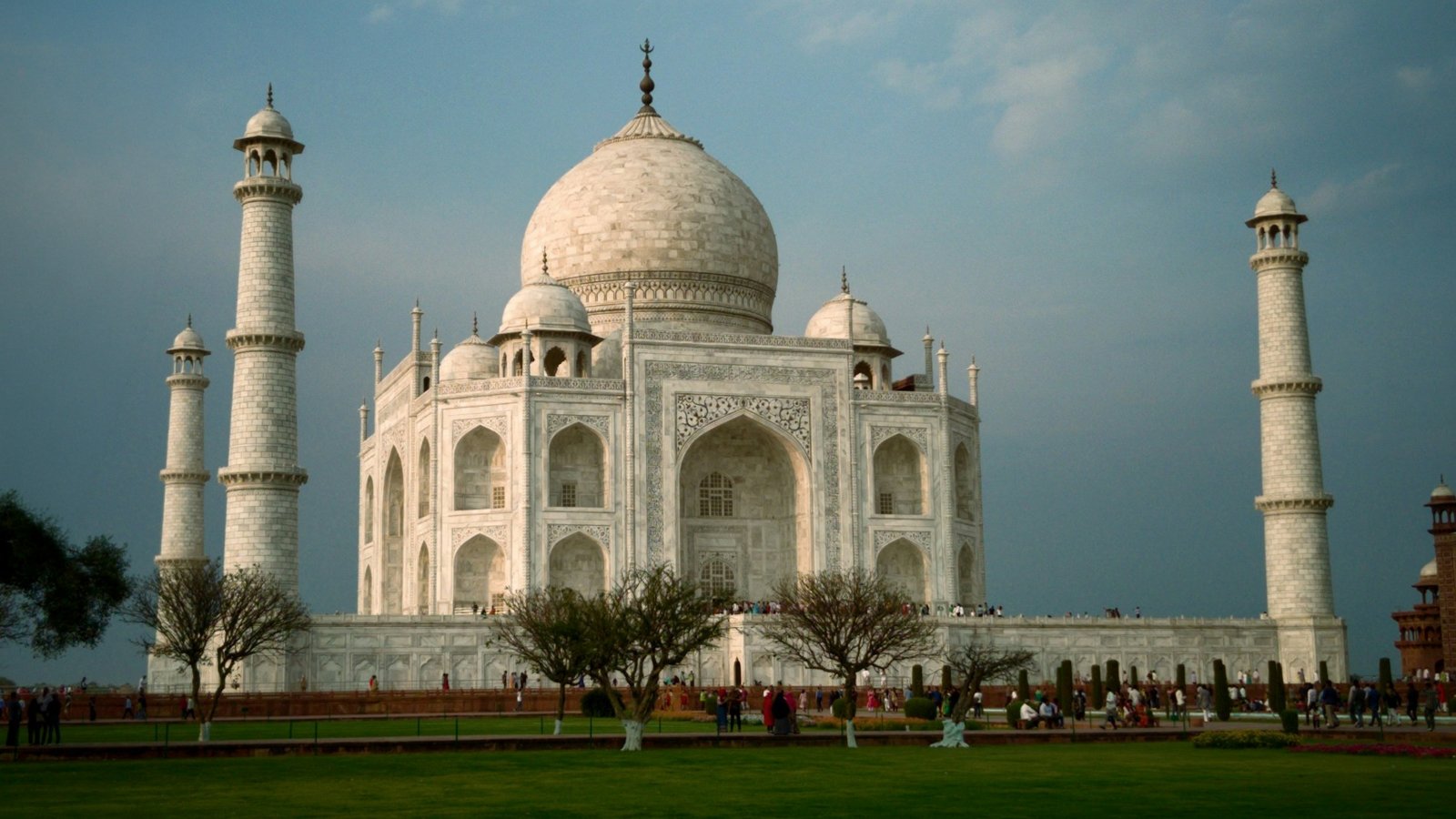
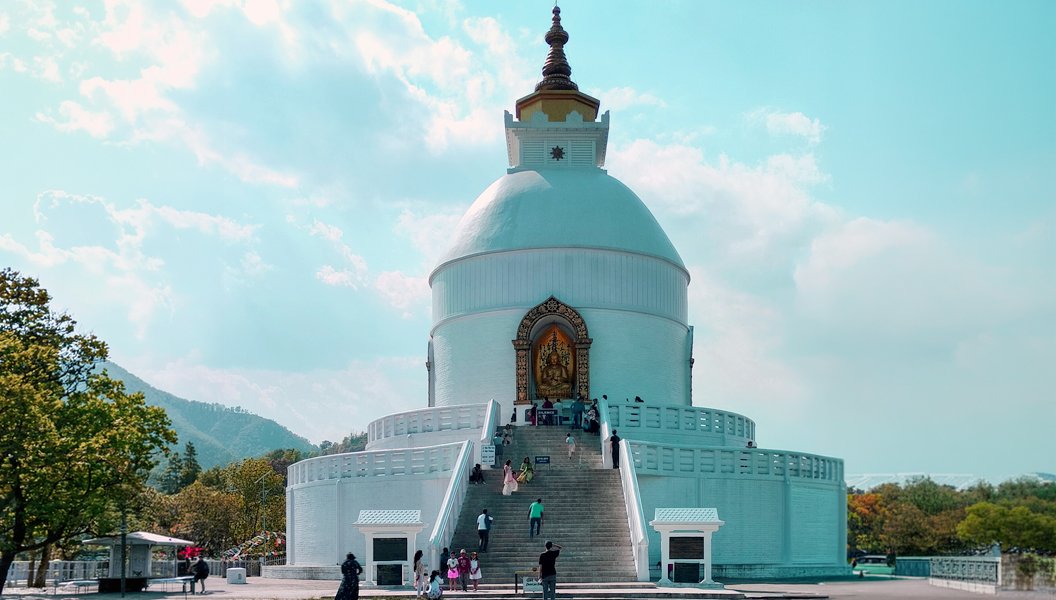
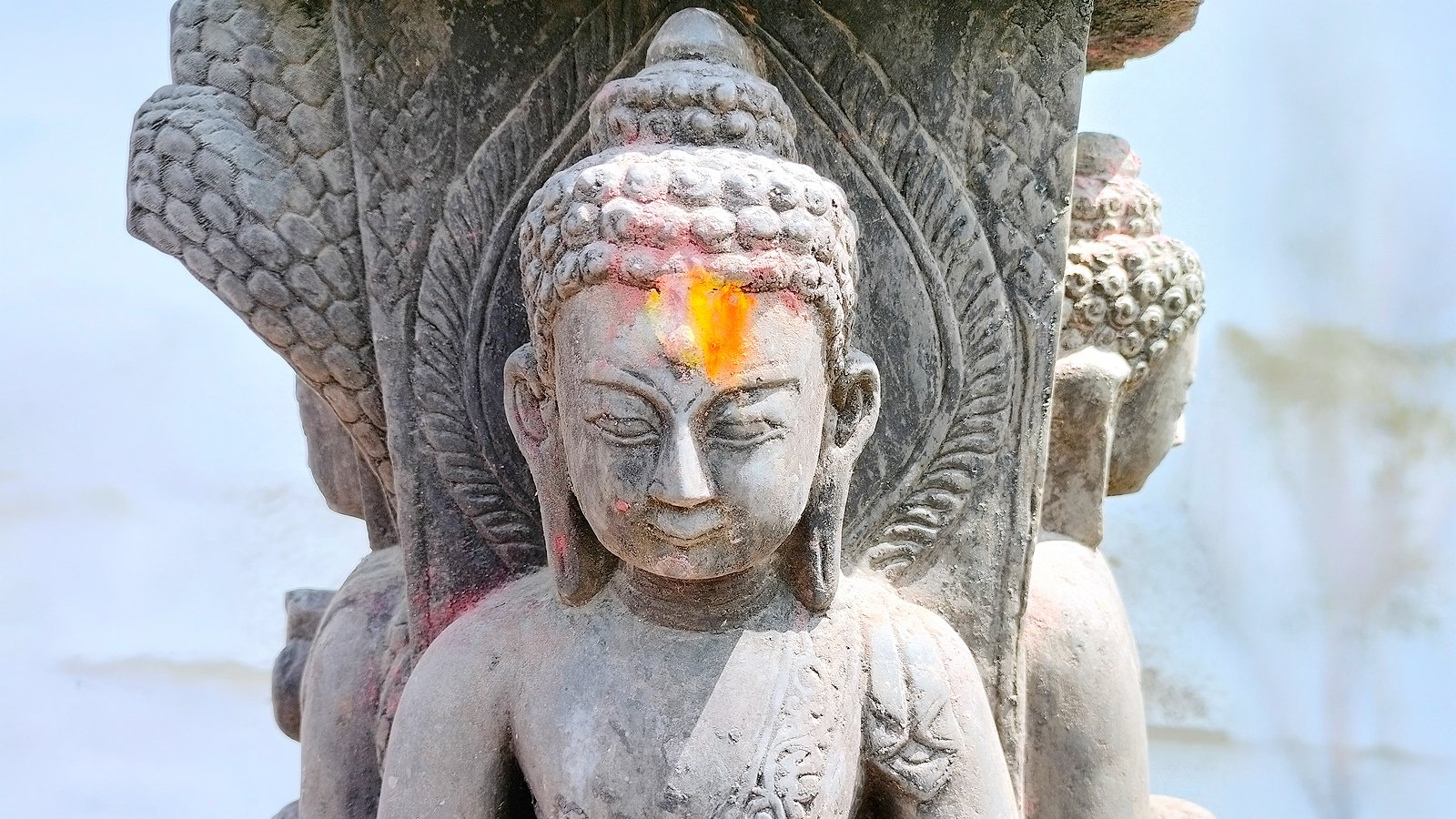
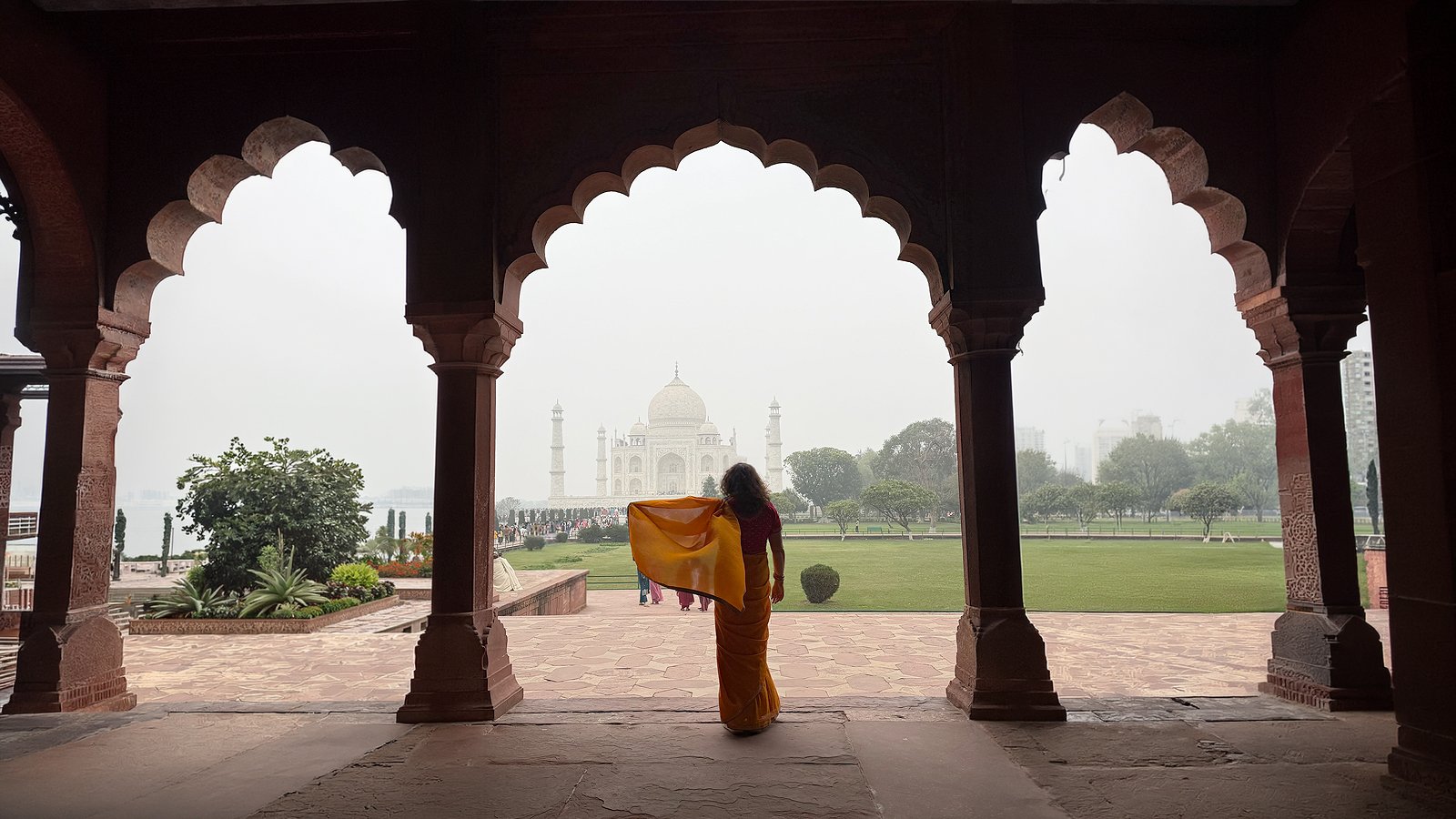
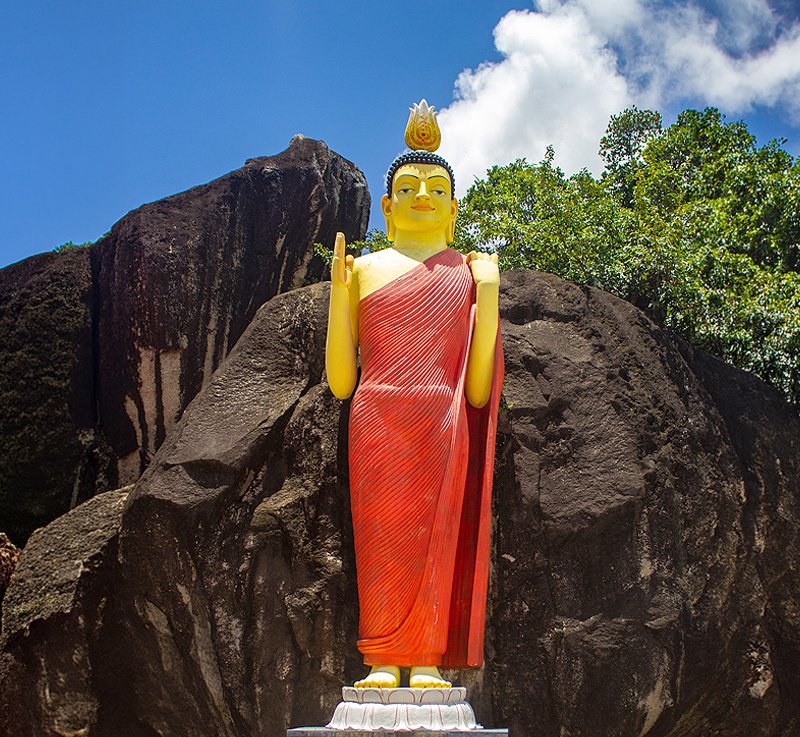
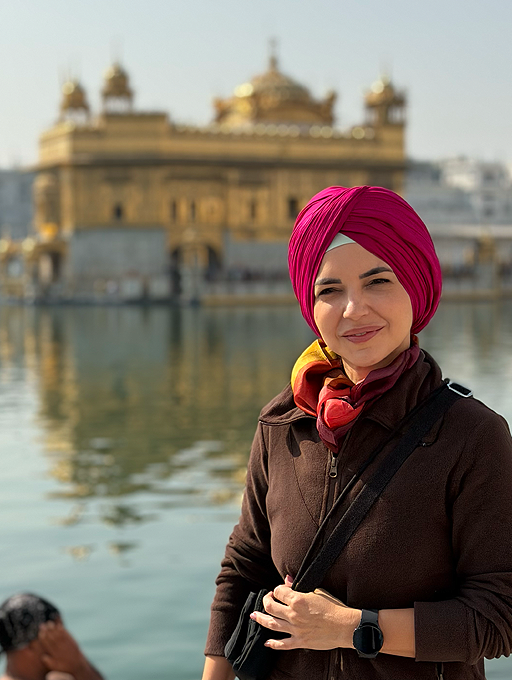
Choose modest clothing when visiting temples, monasteries, and other religious sites.
Carry clothing that provides appropriate coverage for cultural and religious visits.
A lightweight scarf or shawl can be useful when visiting places with dress requirements.
Respect the clothing guidelines and traditions of each place you visit.
Mountain weather can be unpredictable, and temperatures can change quickly as you gain or lose elevation.
Rather than relying on one heavy layer, consider packing several lighter layers that can be added or removed throughout the day. A lightweight waterproof jacket can also be useful when conditions change unexpectedly.
For trekking journeys, your requirements will depend on the route, altitude, duration, and accommodation. Your journey plan should be used as the starting point for preparing your trekking equipment.
You won’t need your full suitcase during most days of sightseeing. A small, comfortable daypack can carry the things you are likely to need while keeping your hands free.
Consider carrying your water bottle, sunglasses, sunscreen, phone, camera, medication, documents, and a light layer. For longer walks or excursions, additional items may be useful depending on the activity.
You don’t need a different outfit for every day. Select pieces that work together and can be used in different settings.
Neutral, versatile clothing is particularly useful on longer journeys because it allows you to create multiple combinations without overpacking.
One of the pleasures of travelling through India, Nepal, Bhutan, and Sri Lanka is discovering local handicrafts, textiles, artwork, spices, and other memorable finds.
Leaving some space in your luggage gives you room to bring a little of the destination home with you.
Items you use regularly should not be buried at the bottom of your suitcase. Keep medication, chargers, travel documents, toiletries, and other frequently needed items somewhere easy to reach.
A little organization before you leave can save considerable time during the journey.
2026 Olympus Journeys Pvt. Ltd. © All rights reserved | Privacy Policy · Terms & Conditions
A Digital Experience by Desion Sync