The Best Time to Travel to India, Nepal, Bhutan & Sri Lanka
Planning a journey across India, Nepal, Bhutan, or Sri Lanka?...
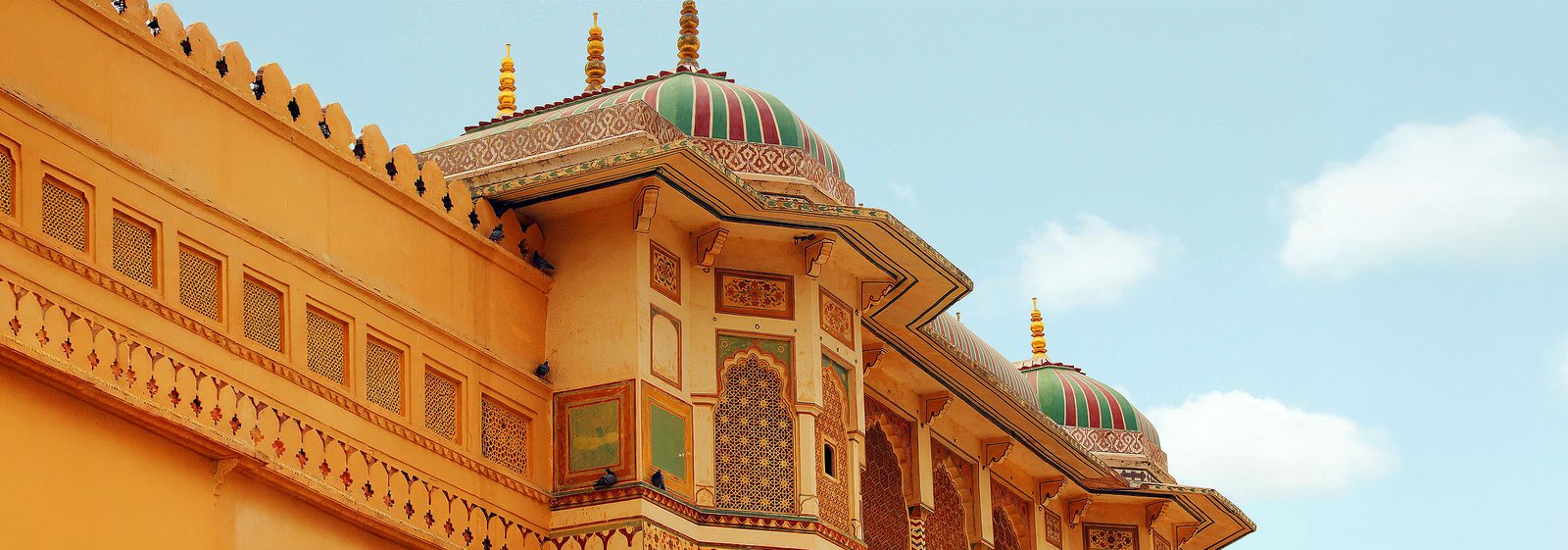
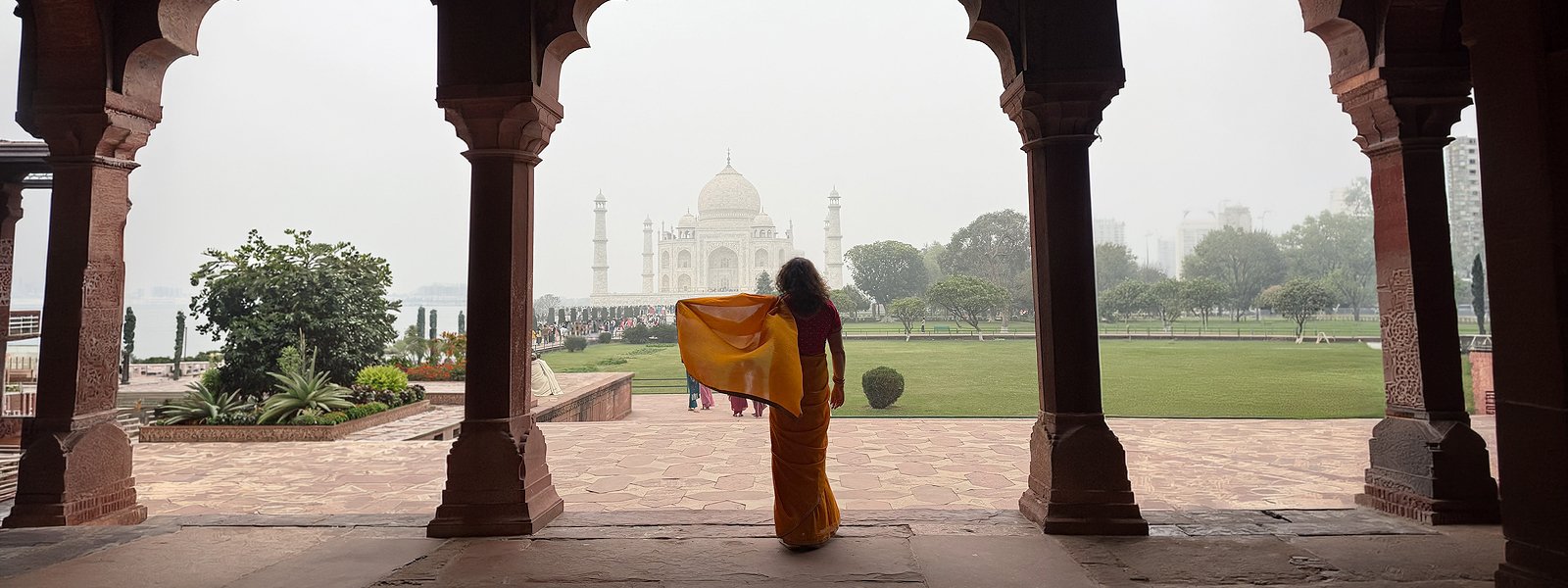
Delhi, Agra, and Jaipur are often the first places travelers encounter when discovering India. Together, they form the famous Golden Triangle, offering an introduction to the country’s Mughal heritage, royal history, architecture, markets, and vibrant culture.
But India does not end there.
Beyond these celebrated cities lies an extraordinary diversity of landscapes, traditions, cuisines, architecture, spirituality, and ways of life. From the snow-capped mountains of Kashmir to the sacred ghats of Varanasi and the ancient temples of South India, traveling beyond the Golden Triangle reveals a much broader and more personal side of the country.
If you have already experienced the classic route—or simply want to see a different India—these destinations are worth discovering.
In the far north, Kashmir offers a dramatic change of scenery. Surrounded by Himalayan mountains, the region is known for tranquil lakes, pine-covered valleys, gardens, and traditional houseboats.
Srinagar provides a wonderful introduction to Kashmir. A stay on a traditional houseboat on Nigeen Lake, followed by a peaceful Shikara ride, offers an experience very different from India’s busy historic cities.
Beyond Srinagar, destinations such as Pahalgam reveal the natural beauty of the Kashmir Valley, with mountain landscapes, rivers, forests, and peaceful surroundings.
For travelers looking to combine culture with spectacular scenery, Kashmir can add an entirely different dimension to an India journey.
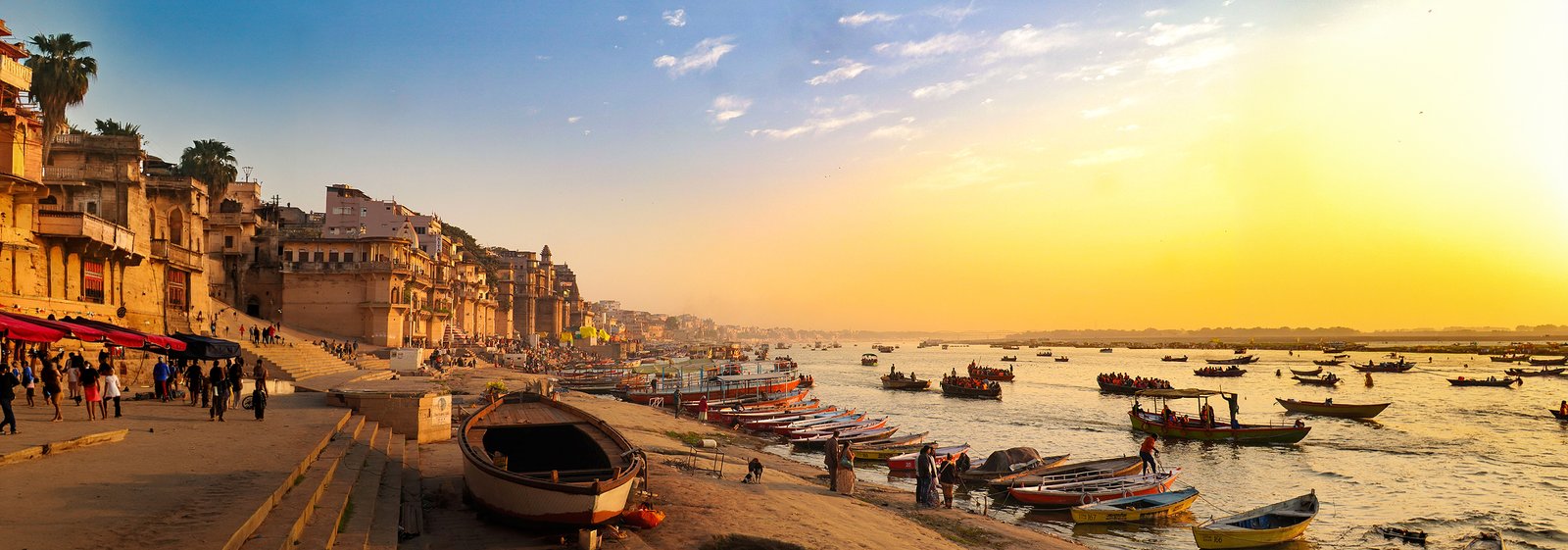
Few places in India create an impression quite like Varanasi.
Set along the sacred River Ganges, the city has been a center of pilgrimage, spirituality, learning, and culture for centuries. Its ancient ghats, narrow lanes, temples, and riverfront create an atmosphere unlike anywhere else.
An early morning boat ride along the Ganges is one of the most memorable ways to experience Varanasi. As the city begins to awaken, the riverfront reveals a fascinating mixture of daily life, devotion, ritual, and tradition.
In the evening, the Ganga Aarti creates another unforgettable experience, as lamps, music, prayer, and the river come together in a powerful spiritual ceremony.
A visit to nearby Sarnath adds another important layer to the journey, connecting Varanasi with the history of Buddhism.
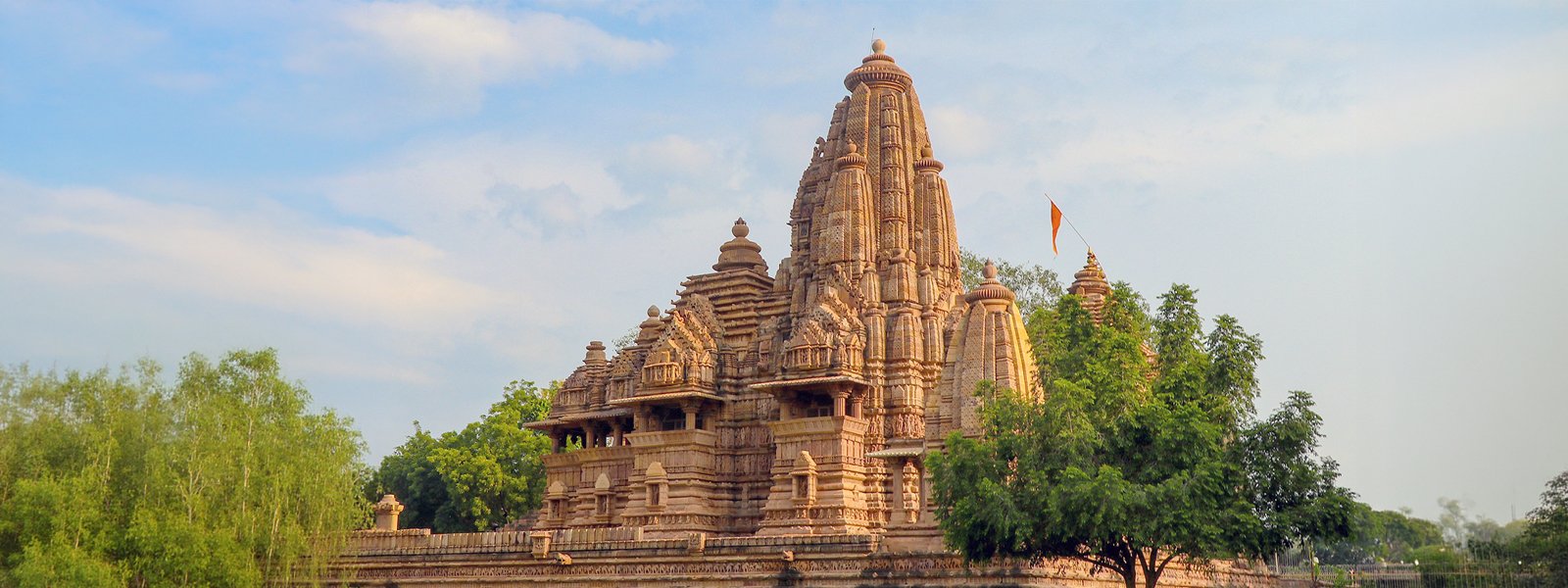
Away from India’s better-known cities, Khajuraho offers one of the country’s most remarkable architectural experiences.
The UNESCO World Heritage temples are celebrated for their intricate carvings, detailed sculptures, and extraordinary craftsmanship. Walking through the temple complex provides an opportunity to appreciate the artistic and architectural achievements of medieval India.
Khajuraho works particularly well as part of a broader journey that combines India’s historic cities with its spiritual and cultural destinations.
Jaipur is one of India’s most recognizable destinations, but Rajasthan offers much more than the Pink City.
The region’s historic cities and landscapes reveal different expressions of its royal heritage.
Known for its romantic lakes and elegant palaces, Udaipur offers a softer and more tranquil side of Rajasthan. The City Palace and Lake Pichola are among its defining experiences.
The Blue City of Jodhpur is dominated by the magnificent Mehrangarh Fort. Its imposing architecture and views across the old city provide a fascinating insight into Rajasthan’s history.
Between Udaipur and Jodhpur, Ranakpur offers a chance to discover some of Rajasthan’s remarkable Jain heritage and architecture.
Together, these destinations create a richer understanding of Rajasthan beyond Jaipur.

Traveling south introduces an entirely different side of India.
Tamil Nadu is home to some of the country’s most magnificent Dravidian temples, while Kerala offers lush landscapes, spice plantations, tranquil backwaters, and a distinctive cultural heritage.
A journey through South India can include:
The result is a journey that brings together architecture, spirituality, nature, food, traditions, and local life.
In Punjab, Amritsar offers another distinctive experience.
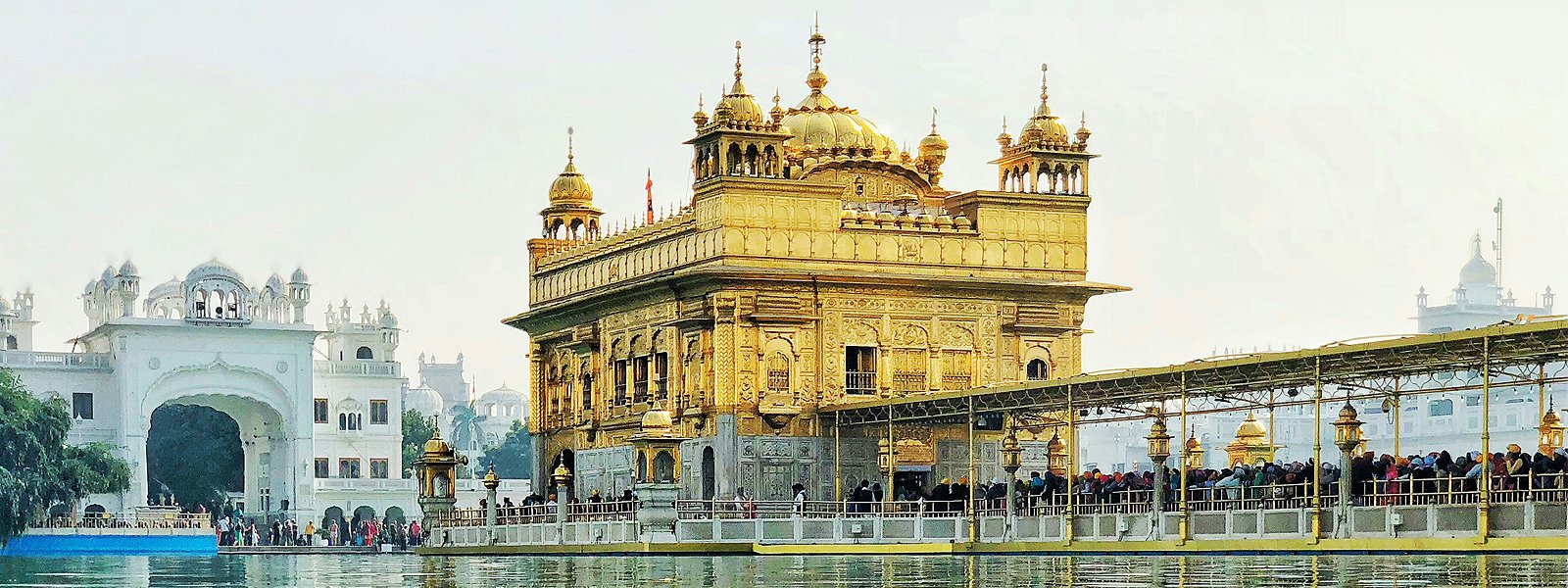
The Golden Temple is at the heart of the city and is one of India’s most significant spiritual landmarks. Its atmosphere of devotion, community, and hospitality makes a visit deeply memorable.
The city also offers opportunities to explore Jallianwala Bagh, local bazaars, Punjabi cuisine, and the vibrant culture of the region.
For travelers combining Kashmir with North India, Amritsar can be a natural addition to the journey.
The Golden Triangle provides an excellent introduction to India, but traveling beyond it allows you to experience the country’s remarkable contrasts.
You can move from:
This diversity is what makes India so rewarding to explore.
One of the advantages of traveling beyond the classic routes is the ability to shape the journey around your interests.
History and architecture may lead you toward Agra, Khajuraho, Rajasthan, and South India. Spiritual experiences may draw you toward Varanasi, Amritsar, or the great temple cities. Nature lovers may prefer Kashmir, Kerala, or the Himalayan regions.
You don’t have to choose just one.
A thoughtfully planned journey can combine several sides of India while allowing enough time to experience each destination rather than simply passing through it.
India rewards curiosity.
The famous landmarks deserve their place on every traveler’s list, but some of the most memorable experiences often come from going a little further—taking a slower route, exploring a lesser-known city, spending time with local communities, or simply allowing yourself more time in one place.
The Golden Triangle may be where your India journey begins.
It doesn’t have to be where it ends.
Ready to discover more of India? Explore journeys that go beyond the familiar and are shaped around the experiences that matter to you. Explore India Journeys
Planning a journey across India, Nepal, Bhutan, or Sri Lanka?...