The Best Time to Travel to India, Nepal, Bhutan & Sri Lanka
Planning a journey across India, Nepal, Bhutan, or Sri Lanka?...
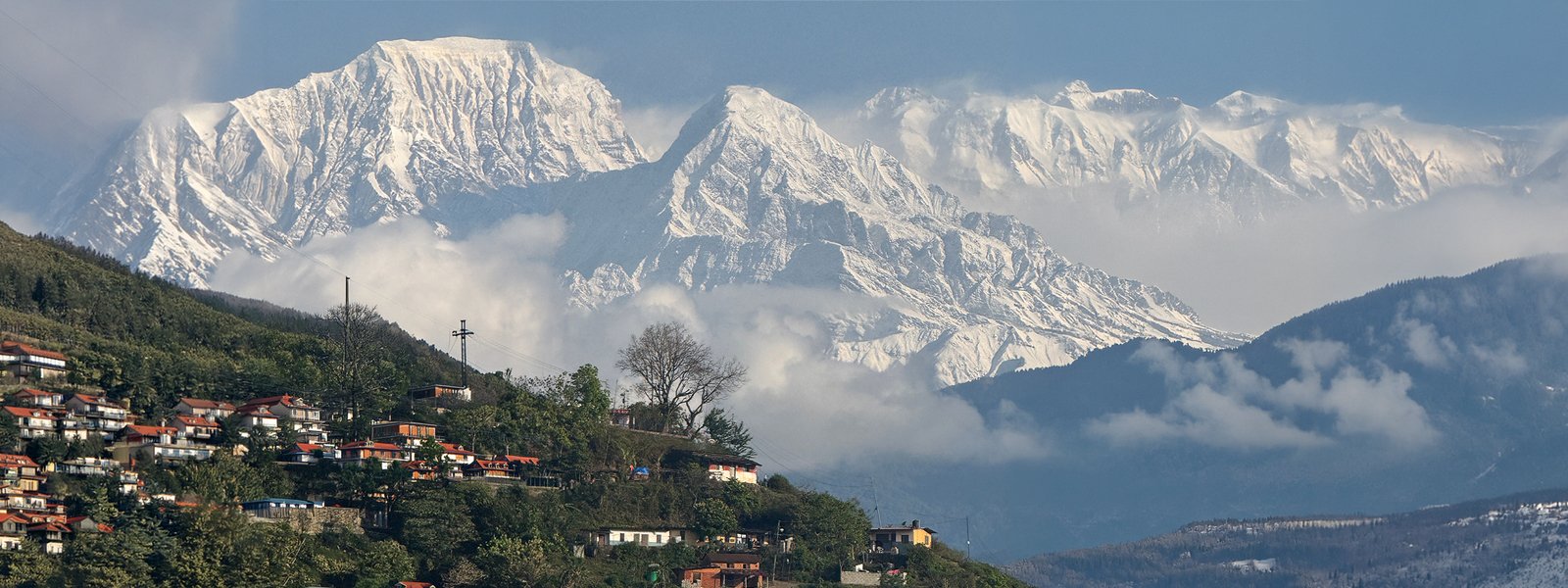
The Himalayas are much more than mountains. Across Nepal and Bhutan, they form the backdrop to ancient cultures, sacred traditions, historic cities, remote villages, and everyday life.
For travelers, this creates an opportunity to experience the Himalayas in many different ways. You can explore centuries-old temples in Kathmandu, watch the mountains reflected in Pokhara’s Phewa Lake, walk through traditional villages, visit Buddhist monasteries, experience local communities, or trek through high-altitude landscapes.
Nepal and Bhutan share the Himalayan environment, but each offers a distinctly different travel experience.
Nepal is a country of extraordinary contrasts. Its cultural heritage is deeply connected with Hinduism and Buddhism, while its landscapes range from fertile valleys and forests to some of the world’s highest mountains.
A journey through Nepal often begins in Kathmandu, where ancient squares, temples, stupas, and traditional architecture reveal the depth of the country’s history.
The experience can then extend beyond the Kathmandu Valley to mountain landscapes, wildlife reserves, lakeside cities, and traditional villages.
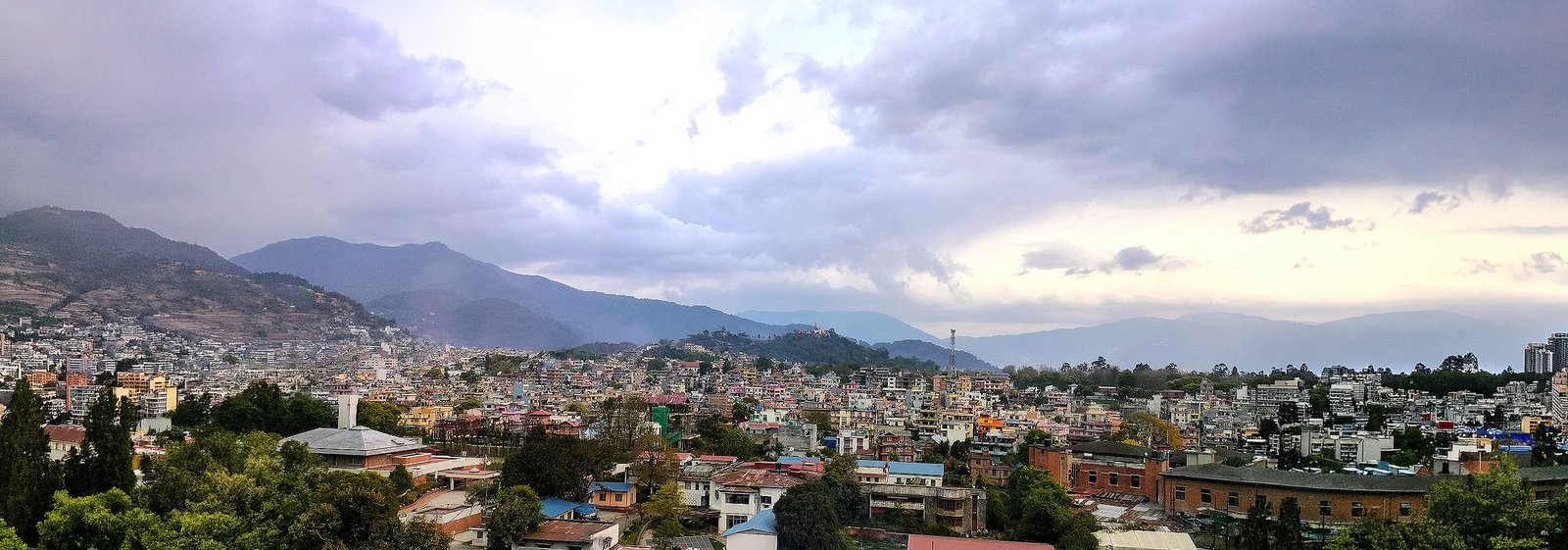
Kathmandu is more than Nepal’s capital. It is the cultural heart of the country.
The Kathmandu Valley is home to several important heritage sites, including Kathmandu Durbar Square, Swayambhunath, Boudhanath, Pashupatinath, Patan, and Bhaktapur.
Each offers a different perspective on Nepal’s religious and architectural traditions.
Perched on a hill overlooking Kathmandu, Swayambhunath—often called the Monkey Temple—is one of the valley’s most recognizable landmarks.
Its elevated position also provides expansive views across Kathmandu.
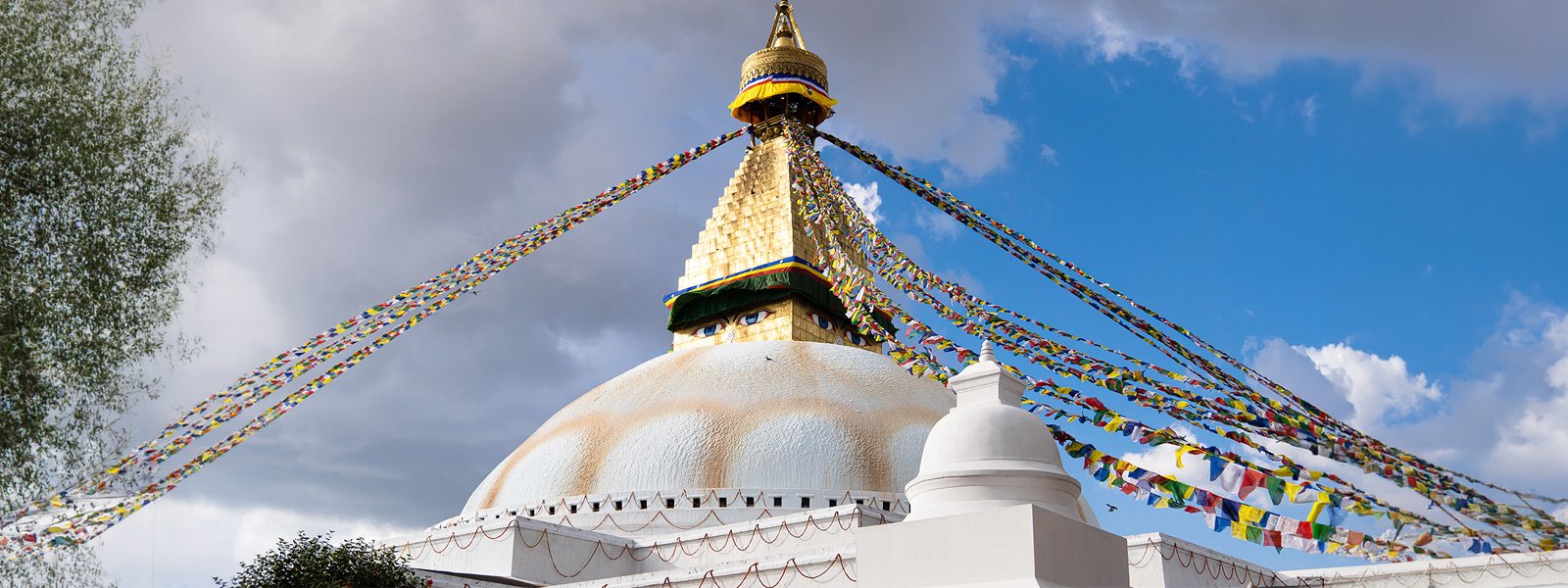
Boudhanath is one of the largest Buddhist stupas in the world and an important center of Tibetan Buddhist culture.
Its distinctive dome, prayer flags, monasteries, and surrounding streets create a very different atmosphere from Kathmandu’s historic squares.
Located beside the Bagmati River, Pashupatinath is one of Nepal’s most important Hindu temples and a significant pilgrimage site.
Together, these places demonstrate how deeply spirituality is woven into everyday life in Kathmandu.
Travel beyond Kathmandu and the valley reveals another layer of Nepal’s heritage.
Patan is known for its traditional Newari architecture, temples, courtyards, and exceptional metal and wood craftsmanship.
Bhaktapur preserves an especially strong sense of medieval character, with historic squares, temples, palaces, and traditional Newari architecture.
Walking through these cities is less about ticking off individual monuments and more about understanding how heritage remains part of everyday life.
Not every Himalayan experience requires a multi-day trek.
Nagarkot, located on the hills outside Kathmandu, is known for its panoramic Himalayan views and spectacular sunrises.
The journey can also be combined with a visit to Changunarayan Temple and a scenic walk through traditional villages and terraced farmland toward Telkot.
This combination makes the area particularly interesting for travelers who want to experience Nepal’s countryside and mountain scenery without committing to a demanding trek.
Pokhara offers a completely different atmosphere.
Set beside Phewa Lake, the city is surrounded by spectacular mountain scenery and serves as a gateway to some of Nepal’s most famous trekking regions.
A peaceful boat ride on Phewa Lake provides a relaxed way to experience the landscape, while an early morning visit to Sarangkot offers the chance to see the Himalayas illuminated by the first light of day, weather permitting.
Pokhara also combines natural experiences with cultural attractions, including Davis Falls, Gupteshwor Cave, Bindabasini Temple, the World Peace Pagoda, and the Tibetan Refugee Settlement.
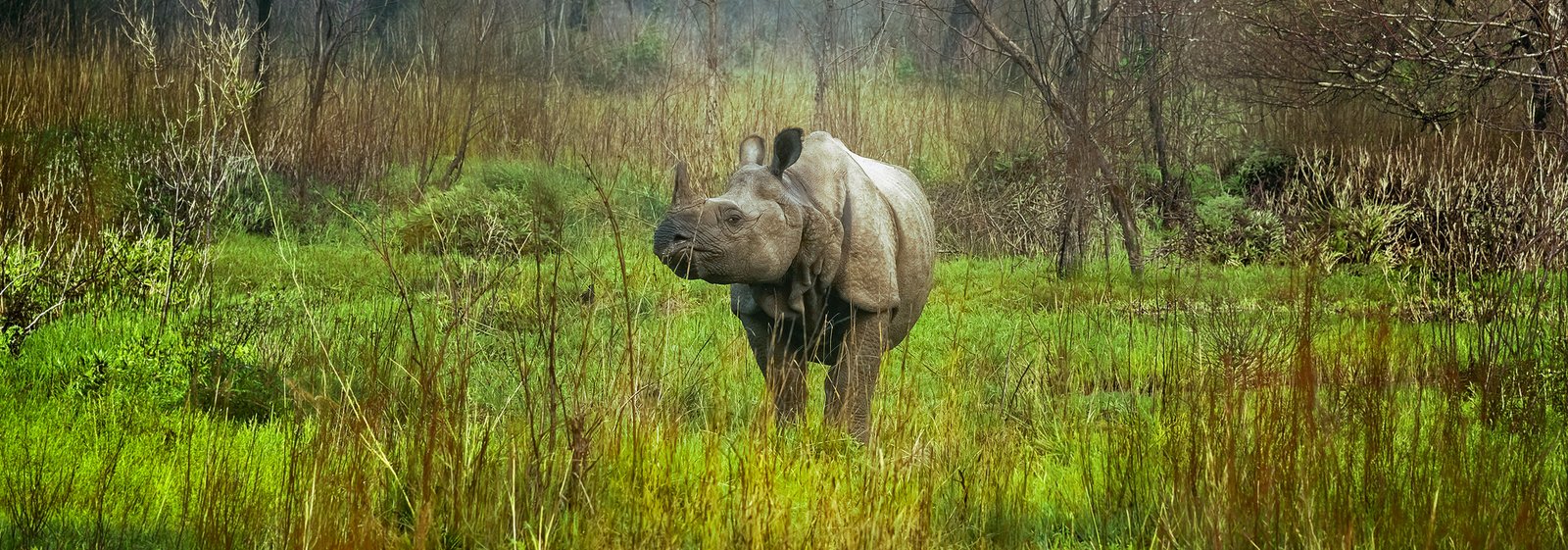
Nepal is not only about mountains.
In the lowlands, Chitwan National Park offers an entirely different environment, with forests, rivers, grasslands, and diverse wildlife
A journey through Chitwan can include nature walks, canoe rides, wildlife safaris, and encounters with the region’s traditional Tharu culture.
This contrast between the Himalayas and the tropical lowlands is one of the most interesting aspects of traveling through Nepal.
Across the Himalayas, Bhutan offers a very different experience.
The country’s identity is closely connected with Buddhist traditions, monasteries, dzongs, mountain valleys, and a distinctive approach to preserving its cultural heritage.
Rather than simply visiting individual attractions, a journey through Bhutan provides opportunities to understand how spirituality, architecture, nature, and everyday life are interconnected.
Thimphu is Bhutan’s capital and an important starting point for understanding the country.
The city combines modern Bhutanese life with strong cultural traditions.
The Buddha Dordenma, National Memorial Chorten, Folk Heritage Museum, Institute of Zorig Chusum, and Trashichho Dzong each provide insight into different aspects of Bhutanese culture.
Local markets and areas such as Ka Ja Throm also offer a glimpse into everyday life.
Punakha: Valleys, Dzongs & Mountain Landscapes
From Thimphu, the journey to Punakha crosses the spectacular Do Chula Pass, where travelers can experience dramatic Himalayan scenery.
Punakha is particularly known for its magnificent Punakha Dzong, one of Bhutan’s most impressive architectural landmarks.
The region also offers opportunities to visit Chimi Lhakhang, hike to Khamsum Yulley Namgyal Chorten, cross the famous Punakha Suspension Bridge, and explore traditional villages.
Punakha demonstrates how Bhutan’s cultural heritage is deeply connected to its mountain environment.
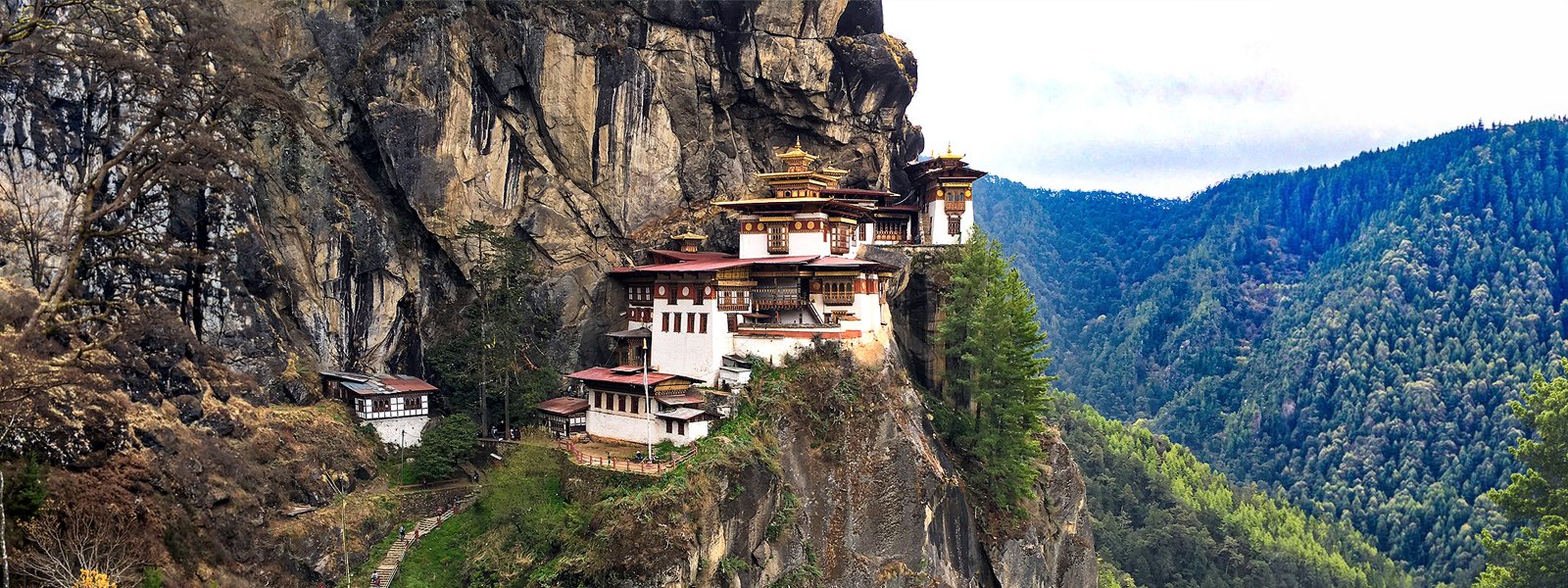
For many travelers, Paro provides the defining experience of a Bhutan journey.
The valley is home to historic dzongs, temples, traditional architecture, and the country’s best-known landmark: Tiger’s Nest Monastery.
The hike to the monastery is physically demanding, but the experience is about more than reaching the destination. The trail passes through forested mountain landscapes and gradually reveals views across the Paro Valley.
For many visitors, it becomes one of the most memorable experiences of their journey through Bhutan.
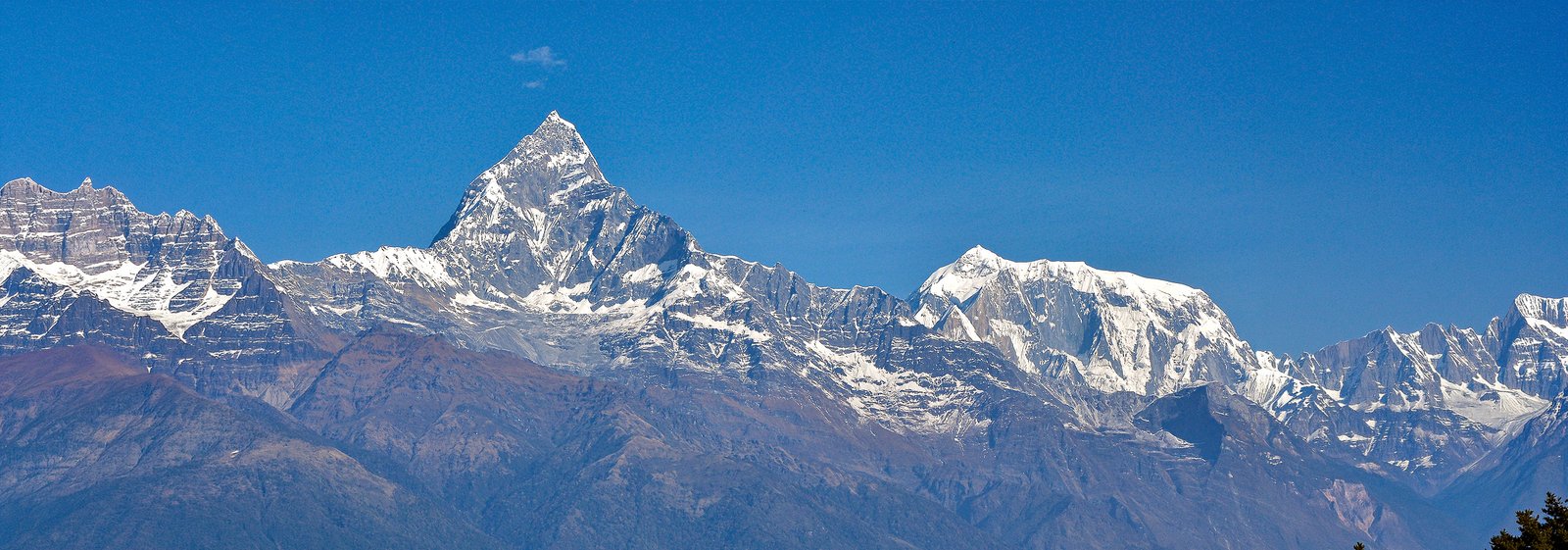
The Himalayas can also be experienced on foot.
Nepal offers a wide range of trekking and hiking experiences, from relatively gentle countryside walks to demanding high-altitude routes.
Bhutan’s Druk Path Trek, for example, crosses mountain passes, forests, alpine meadows, yak pastures, and high-altitude lakes between Paro and Thimphu.
These journeys reveal a quieter side of the Himalayas—far from the cities and main roads.
The two countries offer different experiences, even though they share the Himalayan landscape.
Choose Nepal if you are drawn to:
Choose Bhutan if you are drawn to:
And for travelers with more time, experiencing both Nepal and Bhutan can offer a fascinating perspective on two distinct Himalayan cultures.
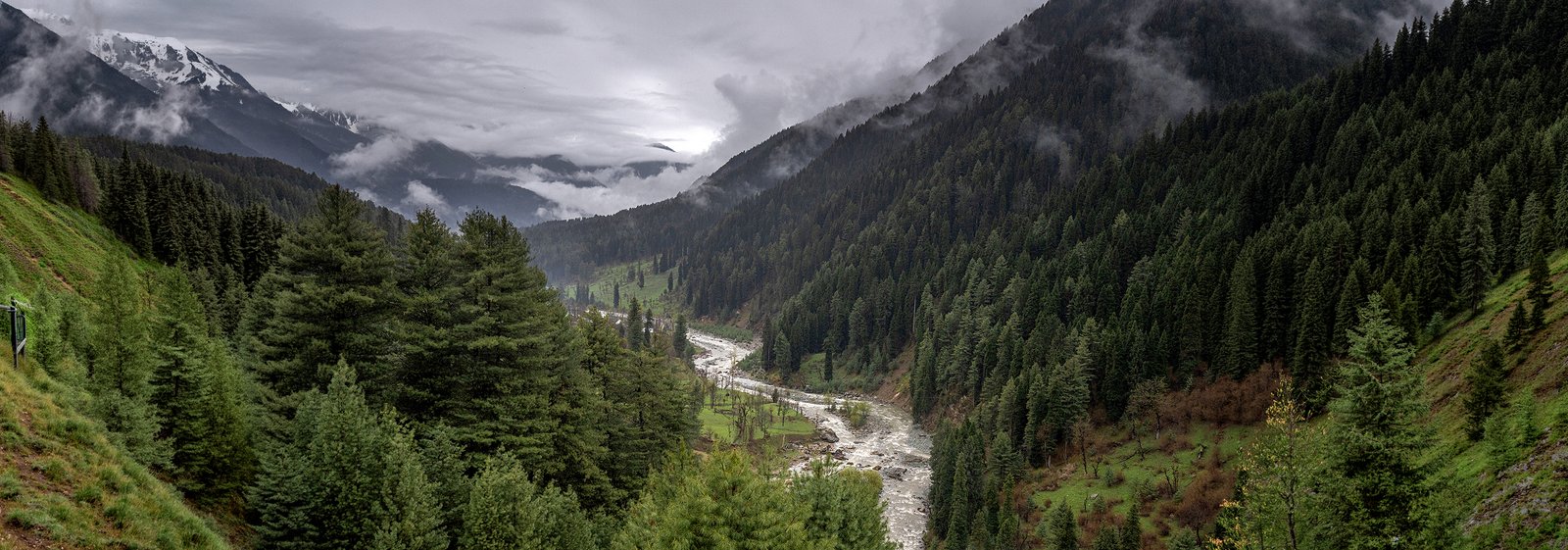
One of the most important things to understand about Nepal and Bhutan is that the mountains are only part of the story.
The real richness lies in the connection between landscape, culture, spirituality, architecture, food, communities, and everyday life.
From a sunrise over the Himalayas to the quiet courtyard of an ancient temple, from a village trail to a centuries-old monastery, the most meaningful experiences often come from slowing down and paying attention.
The Himalayas are not simply somewhere to look at.
They are places to experience.
Discover journeys through ancient cities, sacred sites, mountain valleys, traditional villages, and the remarkable landscapes of the Himalayas.
Explore Journeys
Planning a journey across India, Nepal, Bhutan, or Sri Lanka?...